The Wrocław Gnome Hunt: Our Experience
By Jérôme R · Visited in July 2026 · Updated · How we work
Of every place we visited in Poland, Wrocław is where we took the most photos — by a wide margin. The reason: the *krasnale*, hundreds of bronze gnomes scattered across the city, which turned our walks into a genuine family treasure hunt. Here's our full experience, with everything you need to plan your own. Find the rest of our stay in our Wrocław guide.
Where do Wrocław's gnomes come from?
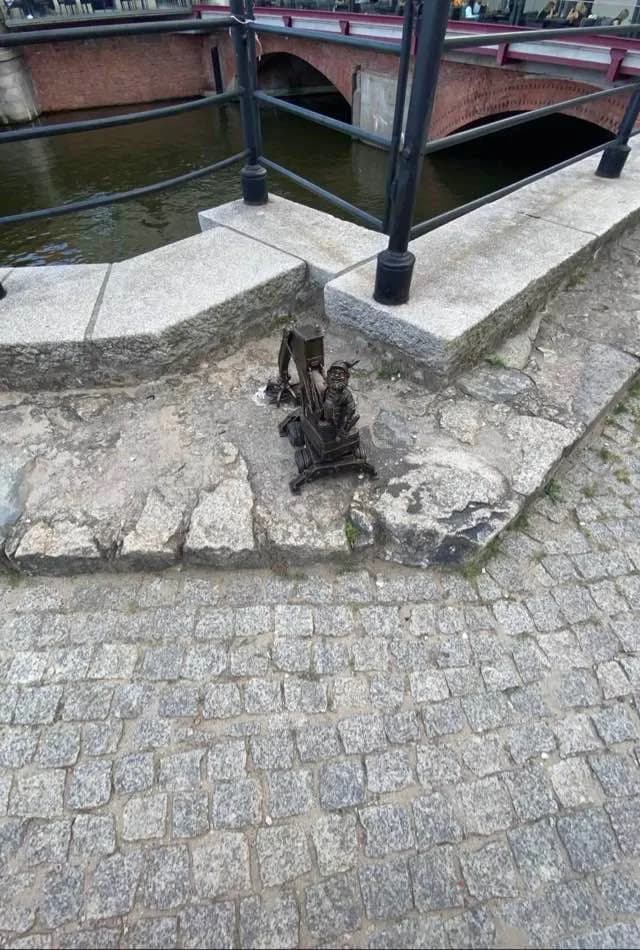
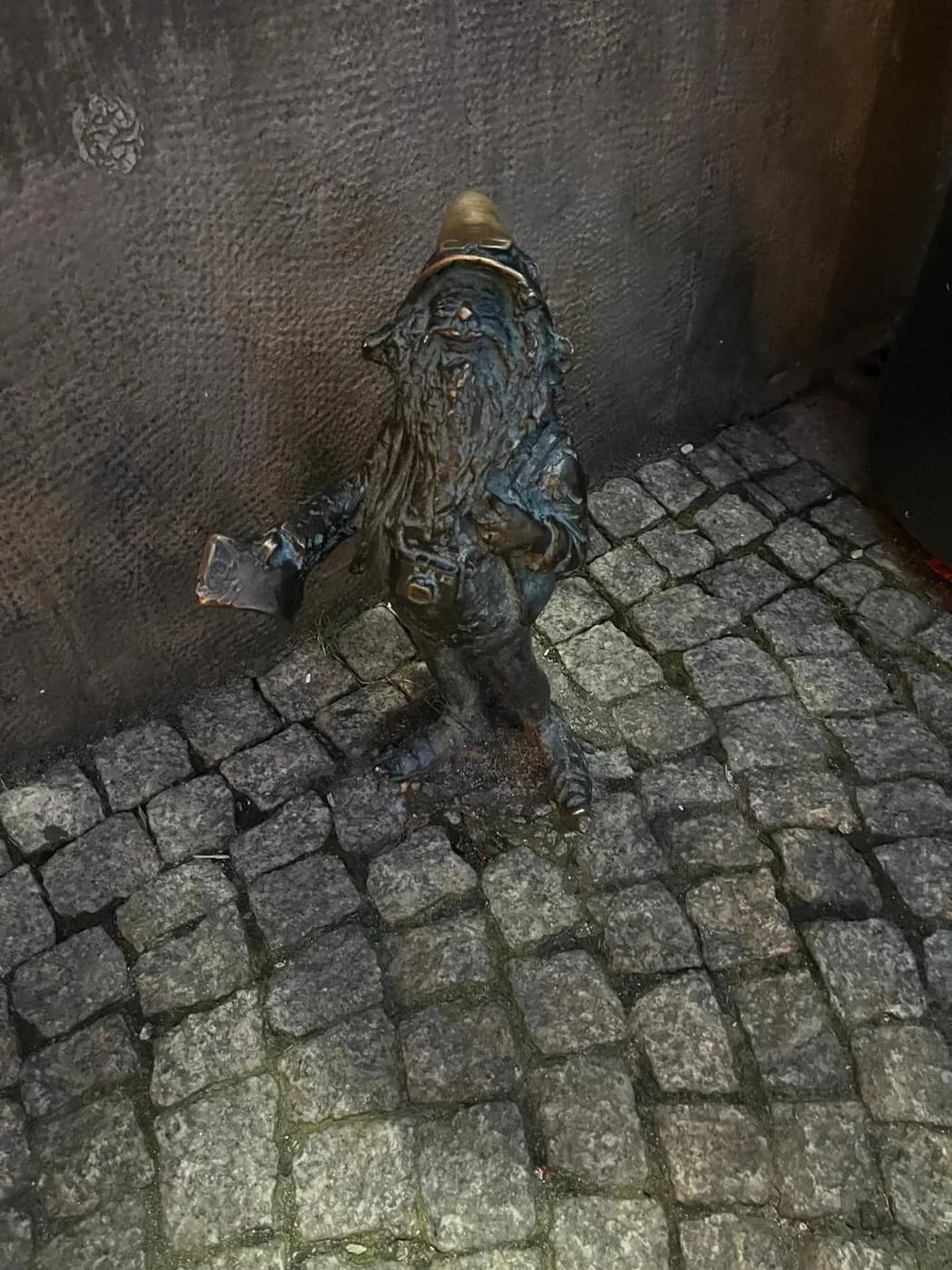
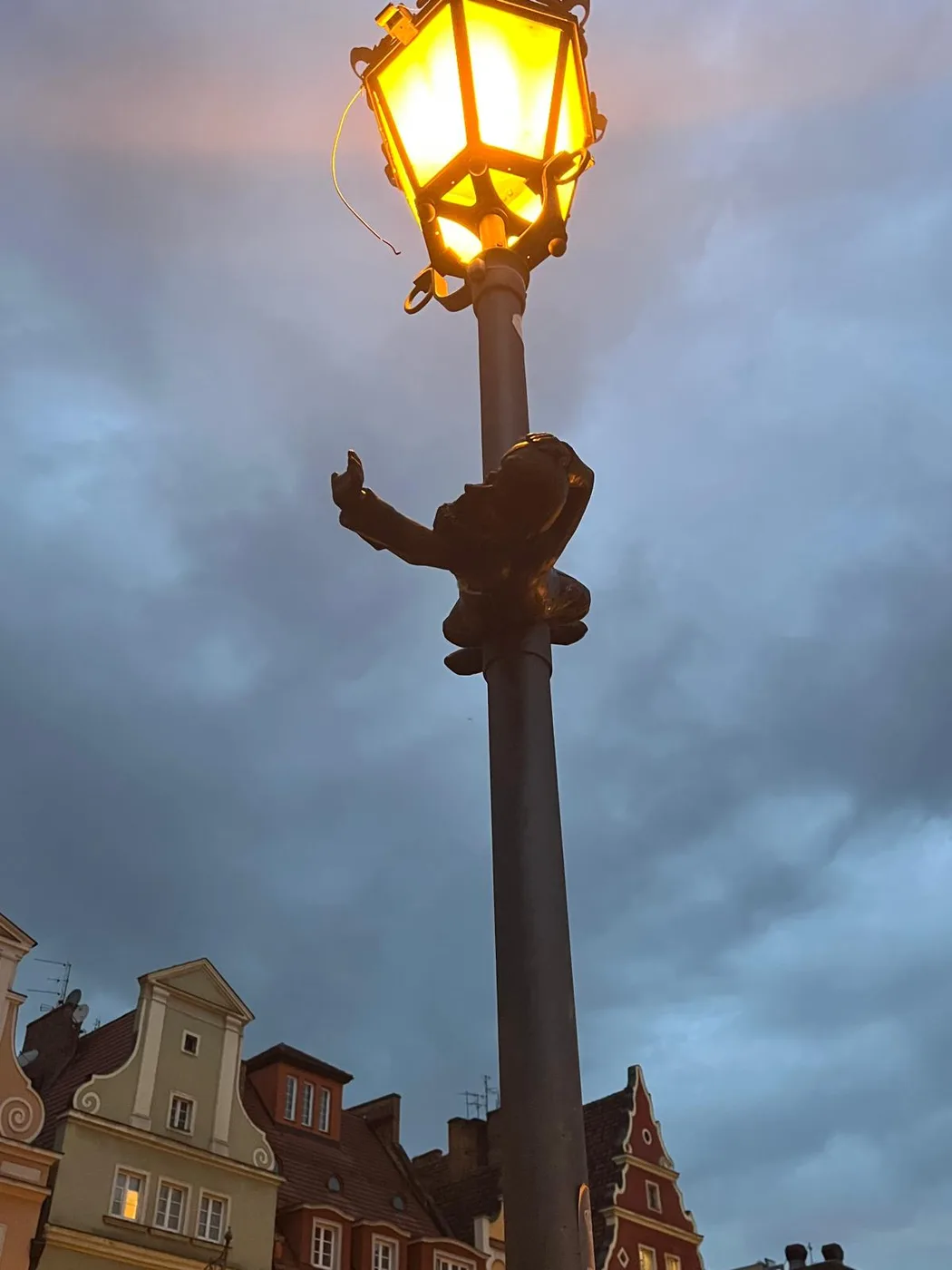
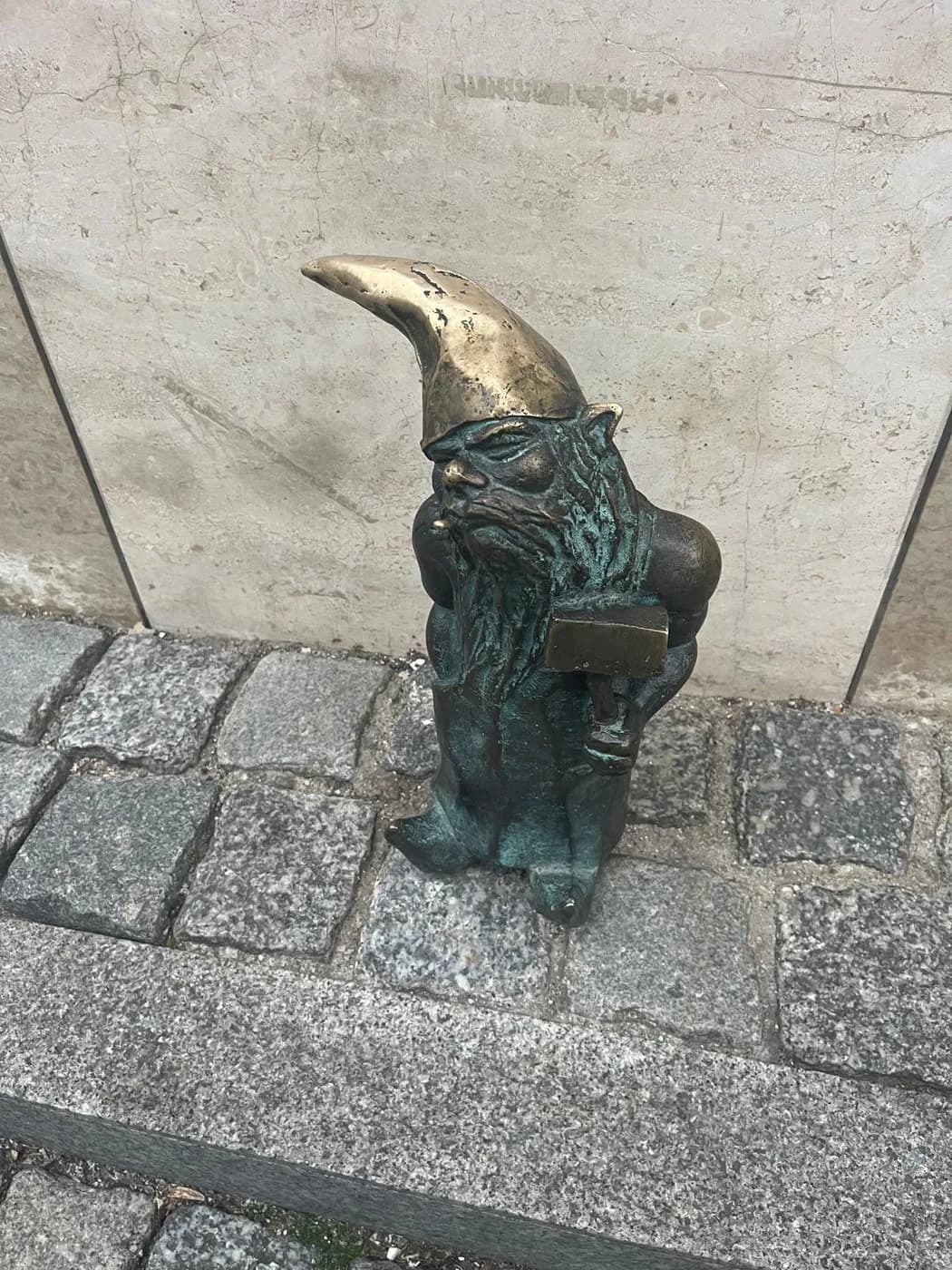
The *krasnale* first appeared in the 2000s as a tribute to the Polish resistance movement Pomarańczowa Alternatywa (“Orange Alternative”), which in the 1980s used gnome graffiti to mock communist propaganda. Their numbers have kept growing ever since: there are said to be several hundred today, scattered across the city, each with its own theme — a miner, a halberdier, a trio of fans of the local football club Śląsk Wrocław, a gnome blowing a golden horn, another climbing a lamppost… An official map and a dedicated app (Krasnal Wrocław) let you track them down, but in our view the best method is simply to keep your eyes up as you walk.
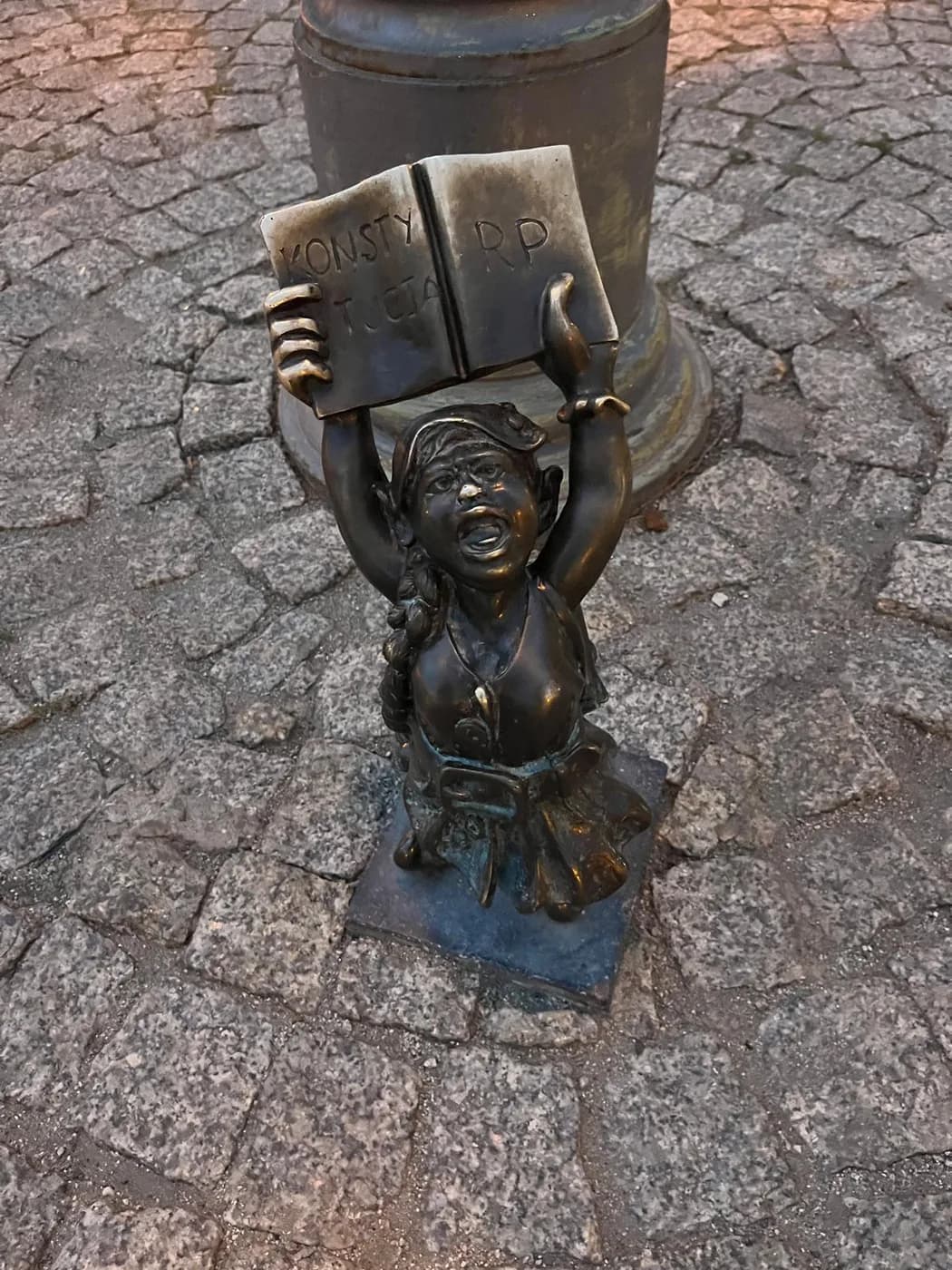
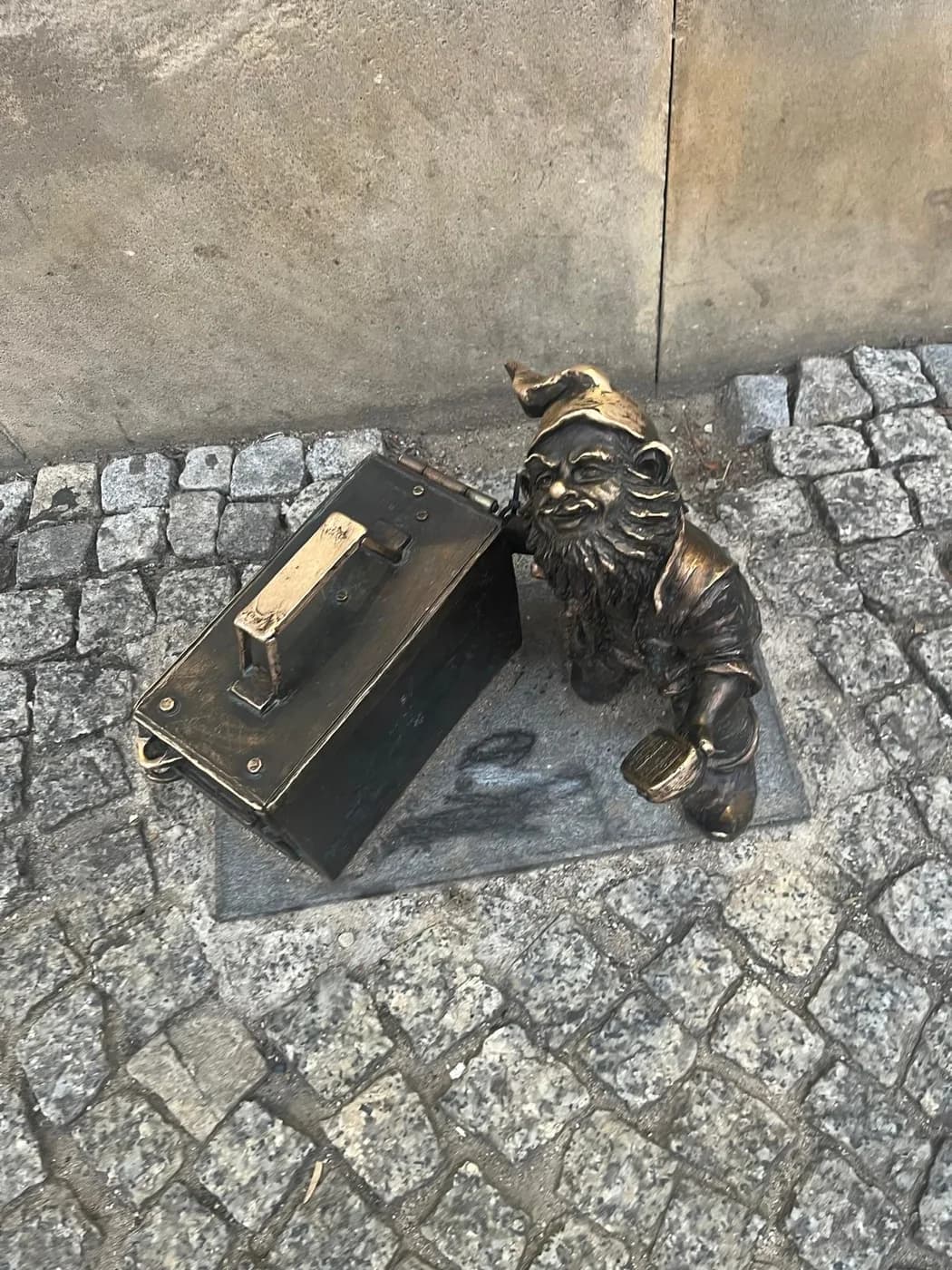
Our gnome hunt, for real (July 2026)
We set up base at the Hotel Wrocław Tumski, in the historic district of Ostrów Tumski (Cathedral Island), right by the water, a stone's throw from the famous Tumski Bridge and its love padlocks. An ideal choice: its central location makes it a great base for exploring the city centre and hunting gnomes, while staying close to the main square (Rynek).
True story, July 2026: the hotel is known for its quirky extension — a barge moored on the Oder, turned into a breakfast space. The breakfast we had there was lovely, but be warned, the room is small with limited seating: better to arrive early. The hotel itself is simple, a bit dated, with no air conditioning, and we were on the top floor — but we still spent a very pleasant night in a family room for 4. Parking is a weak point: limited spaces, and just one way in by car. Plenty of paid car parks exist around the hotel, at rates similar to what we'd pay in France (roughly €20-25 a night).
Once the car was parked, we headed into the city centre to find our first gnomes. That evening, we had dinner at Restauracja Konspira, one of Wrocław's best-known restaurants for its history and ties to the historic Solidarność trade union. Despite its popularity, we were lucky enough to get a table without booking.
Back from the restaurant, we carried on hunting gnomes under the city's neon lights — Wrocław looks stunning at night, and this second round, even more fun for our teenagers, remains one of our best memories of the trip.
The next morning, after another hearty breakfast on the barge, we wanted to see the old town in daylight — our impression stayed exactly the same: a lovely city with gorgeous light, a great place to wander and take your time. Looking back, we think we should have planned an extra day in Wrocław, we loved it that much.
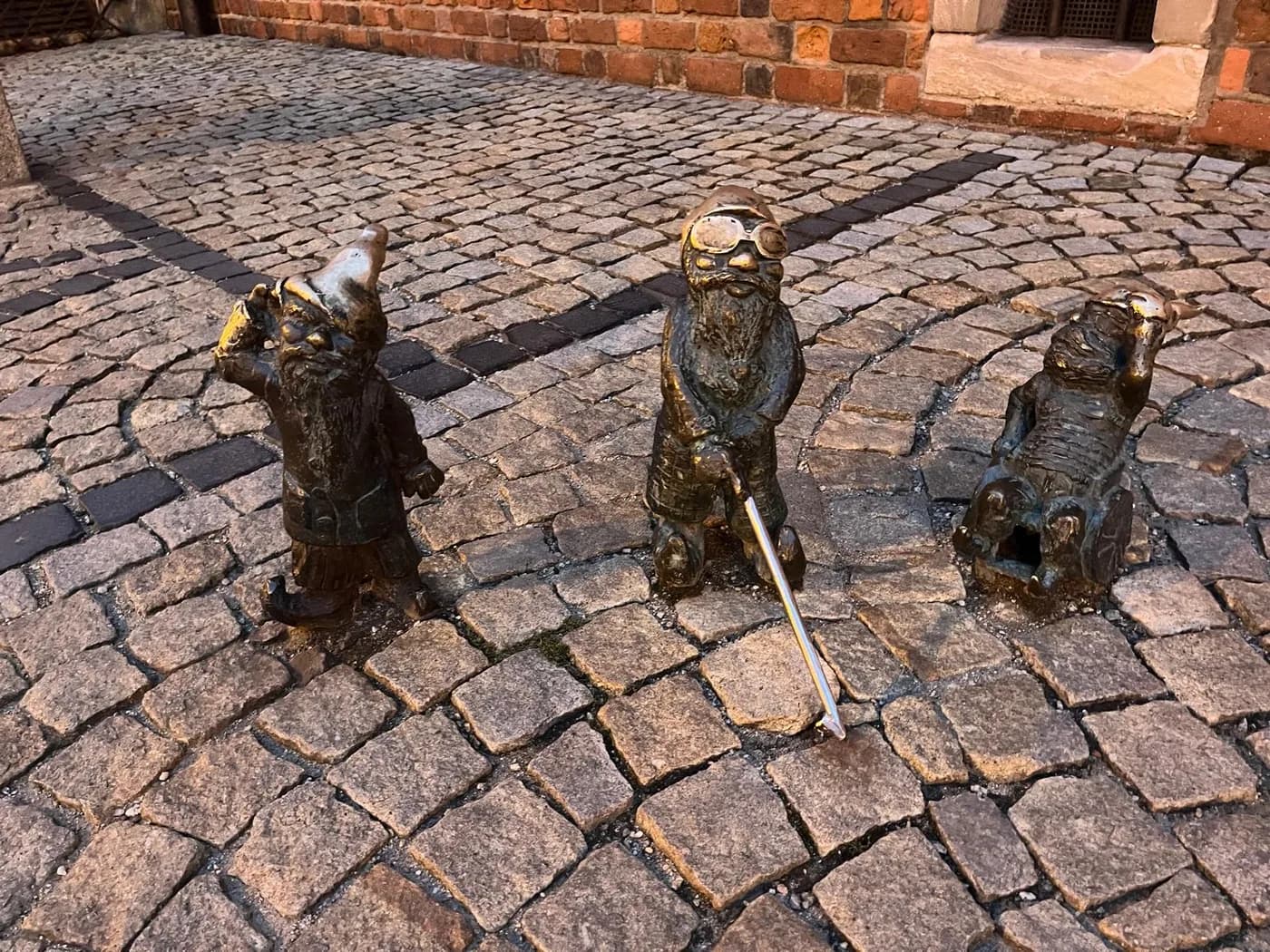
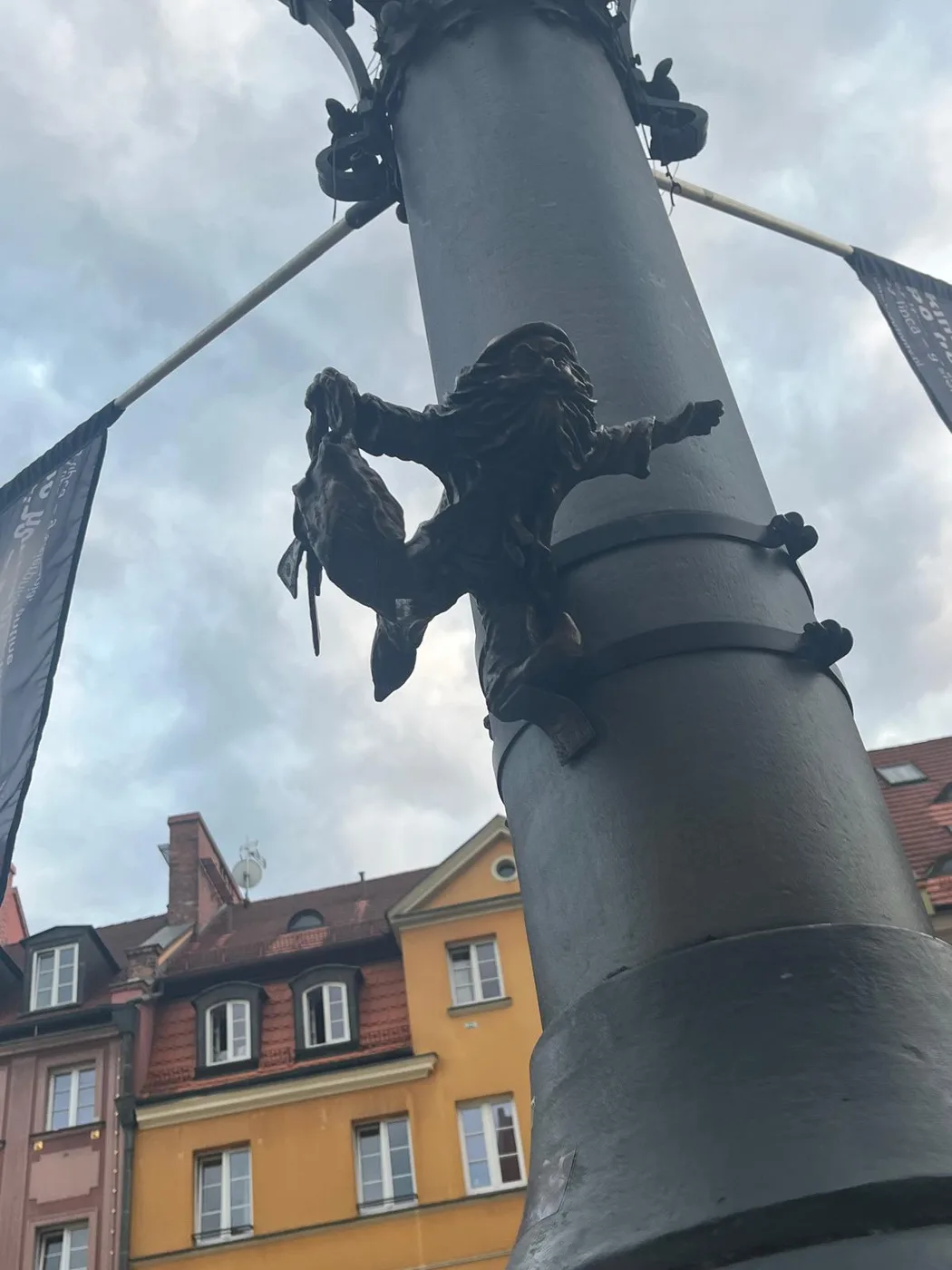
Our best finds
Of the many gnomes we came across, 14 distinct statuettes caught our eye: a miner, a halberdier, a trio of Śląsk Wrocław fans, a gnome with a golden horn, another climbing a lamppost, and plenty more besides, each with its own little scene. Quite a few of our photos were taken by our teenagers themselves — proof this activity works just as well for younger travellers as it does for adults.
Getting there
We reached Wrocław from northern Poland (the Łeba/Ustka area) by splitting our route towards Kraków into two legs, with an overnight stop in Wrocław — about 4 to 5 hours on the road from the Baltic coast, on stretches allowing up to 140 km/h in places, with a toll whose cost is fairly marginal over the whole trip.
Good to know
▸ Good to know
- Wrocław is a very clean, very walkable city — the gnome hunt happens almost entirely on foot in the historic centre.
- For tired legs, trams are frequent and often charmingly old-fashioned (some are vintage models).
- Wrocław is home to one of Google's European offices — a sign of its dynamism, beyond its historic charm.
Frequently asked questions
What are the Wrocław gnomes?
Hundreds of bronze statuettes (krasnale) scattered across the city, born as a tribute to the 1980s anti-communist resistance movement Pomarańczowa Alternatywa, and now a playful, touristy symbol of Wrocław.
Why are there gnomes in Wrocław?
The Pomarańczowa Alternatywa movement painted gnomes over the anti-communist graffiti the regime kept erasing, mocking the official propaganda. The first commemorative statue went up in 2001, and their numbers have kept growing ever since.
Is Wrocław ever called Breslau?
The city is sometimes referred to by its historic German name, Breslau, particularly in German-language sources — but Wrocław is the official Polish name, and the one used in English too.