What to Do in Warsaw: The Highlights
By Jérôme R · Not visited yet: research-based guide · Updated · How we work
Rebuilt almost entirely after 1945, Warsaw blends a historic centre restored to its original look, some of Central Europe's most striking museums, and more contemporary districts like Praga. Here are the highlights for planning a 2 to 3-day stay. For the practical side (transfers, budget), check our practical guide to Warsaw.
The Old Town (Stare Miasto), rebuilt stone by stone
About 95% destroyed by the Nazi occupiers in reprisal for the 1944 Warsaw Uprising, the Old Town was entirely rebuilt between 1945 and 1953, based on period paintings (notably those of Bernardo Bellotto, known as Canaletto). This feat of reconstruction earned it a place on the UNESCO World Heritage List as early as 1980 — a rare case where it's the reconstruction itself, rather than original fabric, that's being recognised. Worth seeing: the Market Square (Rynek Starego Miasta), its colourful houses, St John's Cathedral and Sigismund's Column. Free access, any time.
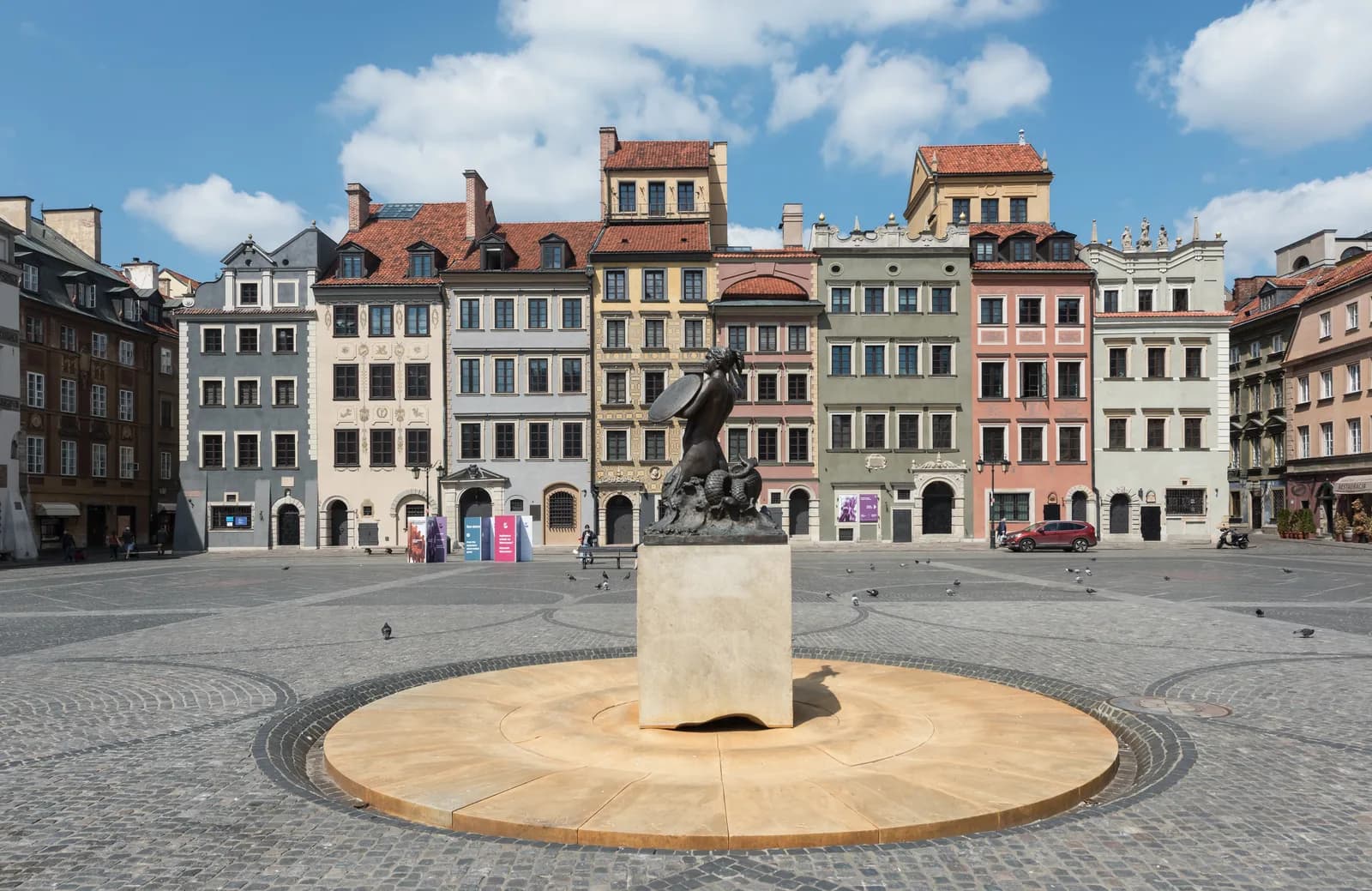
Photo credit: Adrian Grycuk — Wikimedia Commons, licence CC BY-SA 3.0 pl.
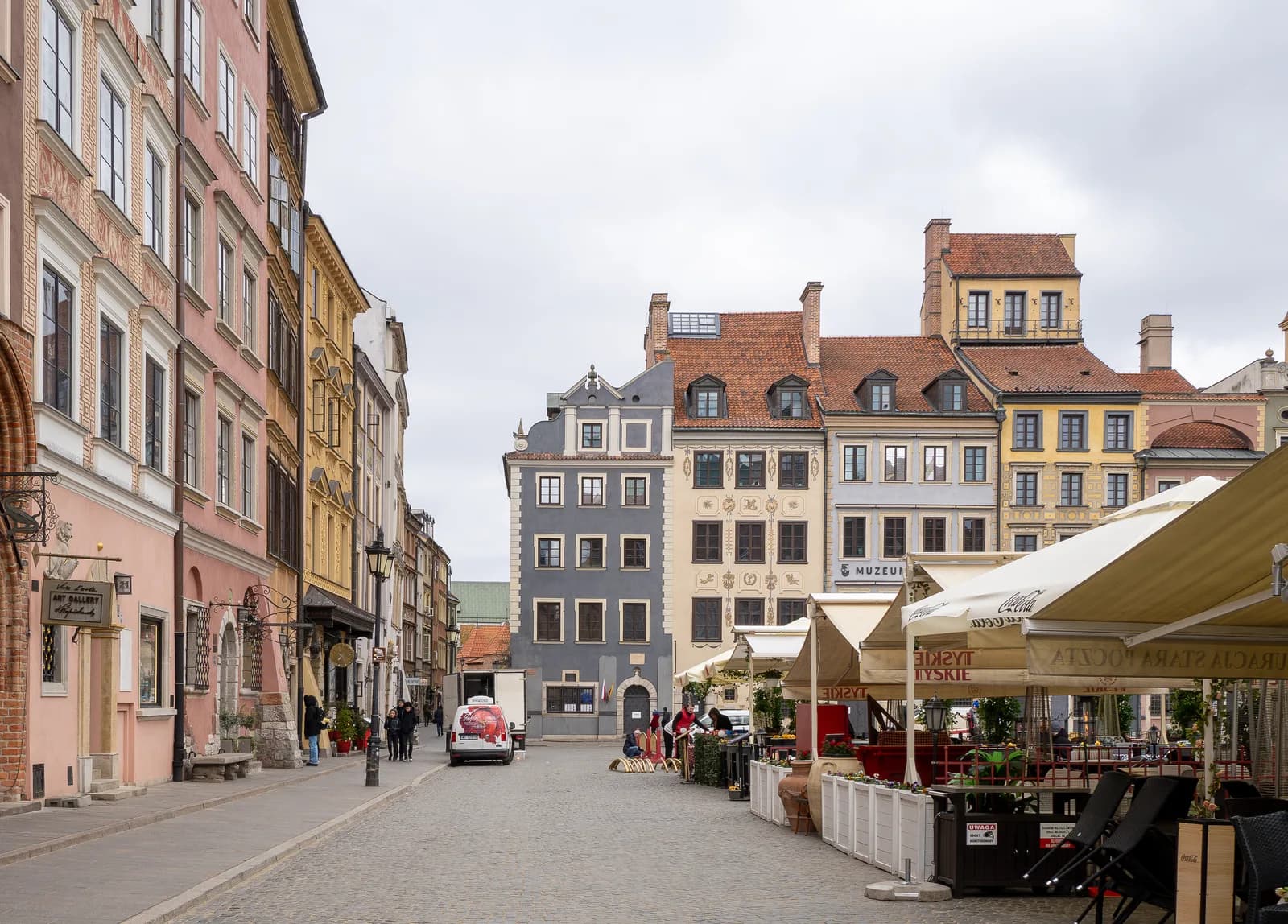
Photo credit: Igor123121 — Wikimedia Commons, licence CC BY 4.0.
The Royal Castle (Zamek Królewski)
Residence of the Kings of Poland, also razed in 1944 and rebuilt (work finished in the 1980s). You can visit the royal apartments and art collections, including works by Rembrandt. Hours: Tuesday to Sunday 10am-5pm (last entry 4pm), closed Mondays; the royal gardens stay open every day from 10am to 6pm. The royal route costs 60 zł (full price) or 45 zł (reduced); a “golden ticket” covering all exhibitions costs 100 zł or 70 zł. Free entry for children up to 7.
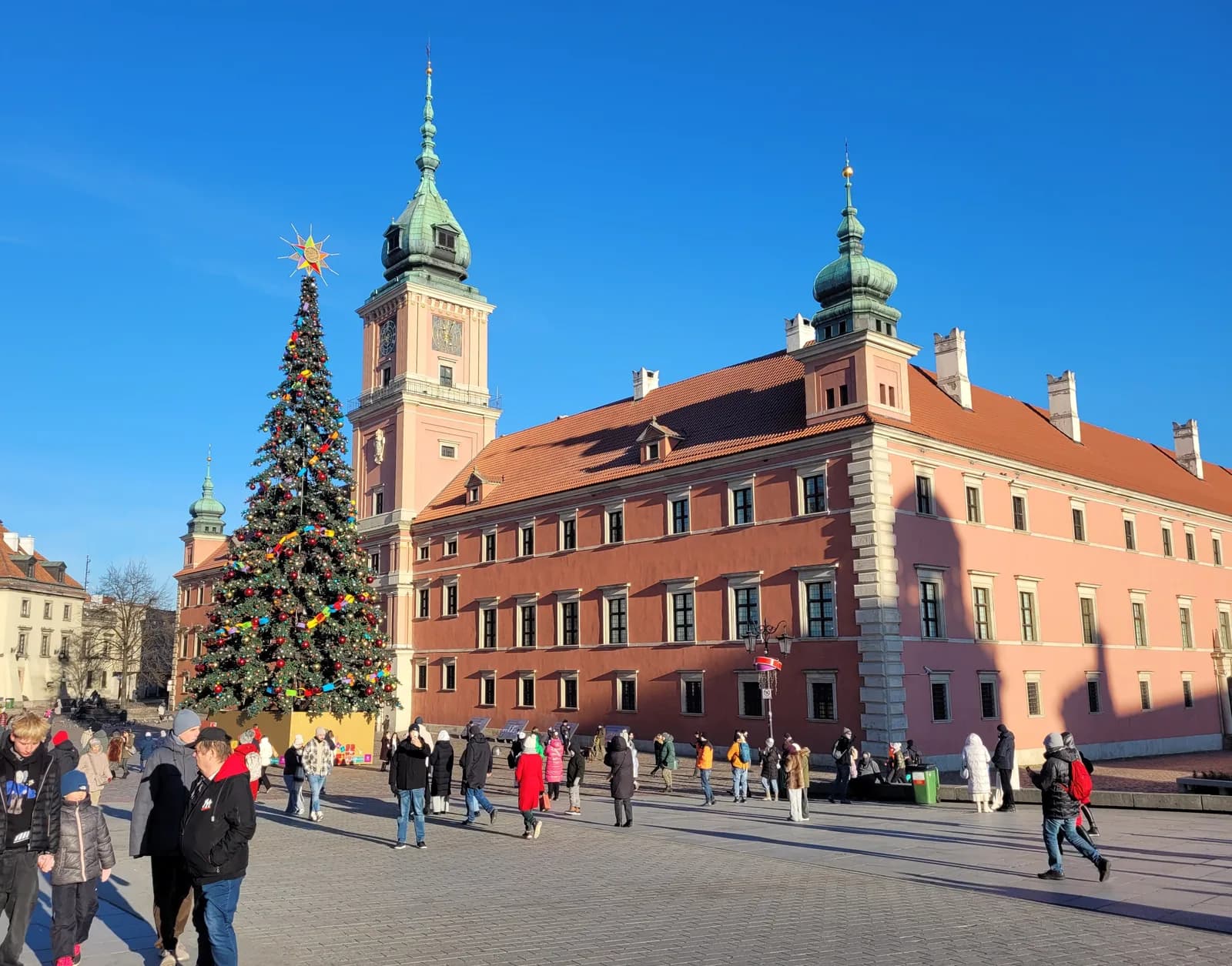
Photo credit: Wistula — Wikimedia Commons, licence CC BY-SA 4.0.
POLIN, the Museum of the History of Polish Jews
Located on the site of the former Warsaw Ghetto, this award-winning museum (European Museum of the Year 2016) traces a thousand years of Jewish presence in Poland. Hours: Monday, Wednesday, Friday and Sunday 10am-6pm; Thursday 10am-6pm with free entry that day; Saturday 10am-8pm; closed Tuesdays. Permanent exhibition with audio guide: 45 zł (full price) or 35 zł (reduced); family ticket (2 adults and up to 4 children under 18): 95 zł.
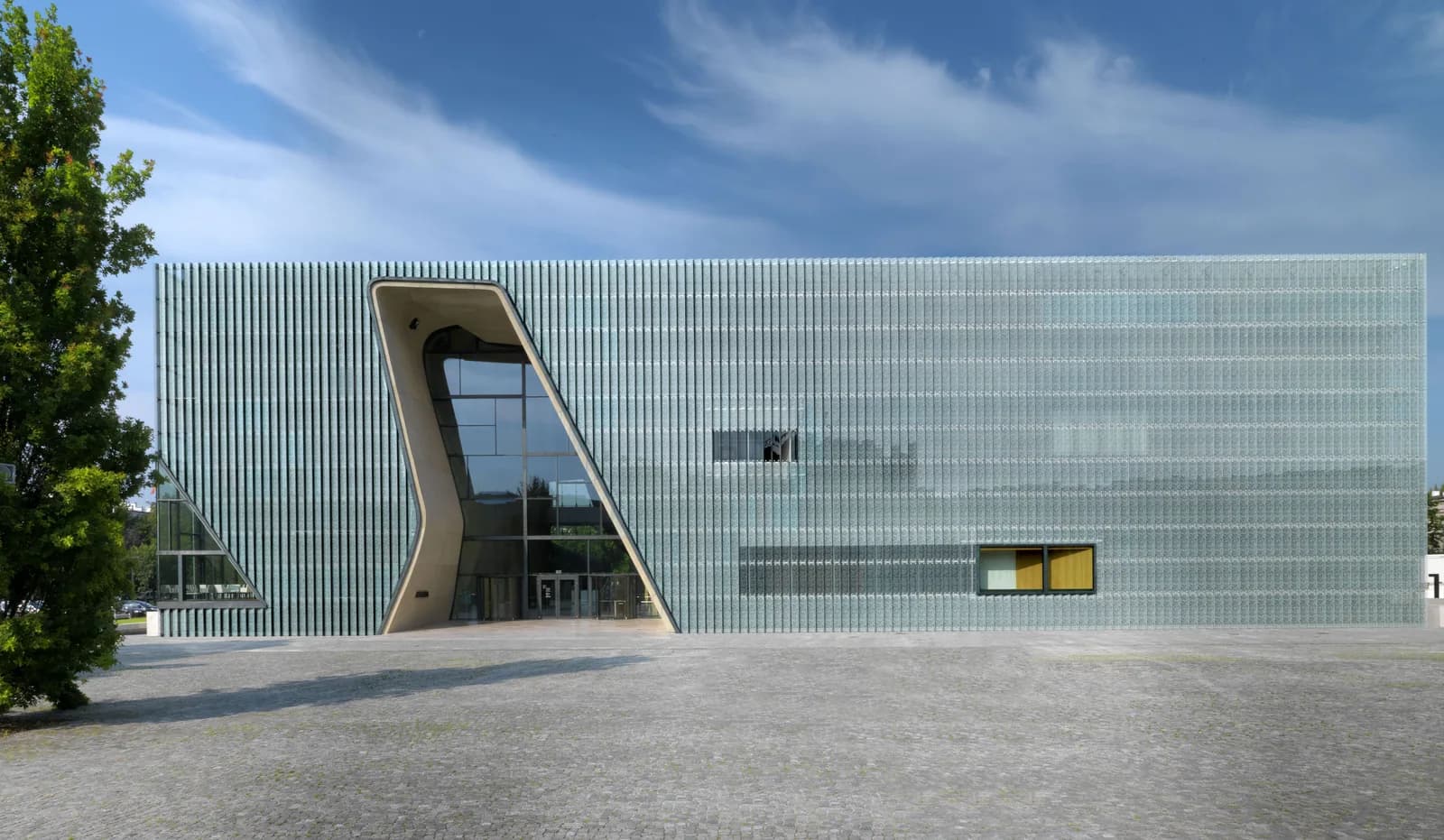
Photo credit: Wojciech Kryński — Museum of the History of Polish Jews, CC BY-SA 3.0 pl.
The Warsaw Rising Museum
Devoted to the 1944 uprising — 63 days of armed resistance against the Nazi occupier — it's one of the country's most visited and best-rated museums, with immersive reconstructions (including the sewers used by the insurgents). Hours: daily 10am-6pm, except Tuesdays (closed); free entry on Thursdays. Standard ticket: 35 zł, reduced 30 zł. Address: ul. Grzybowska 79.
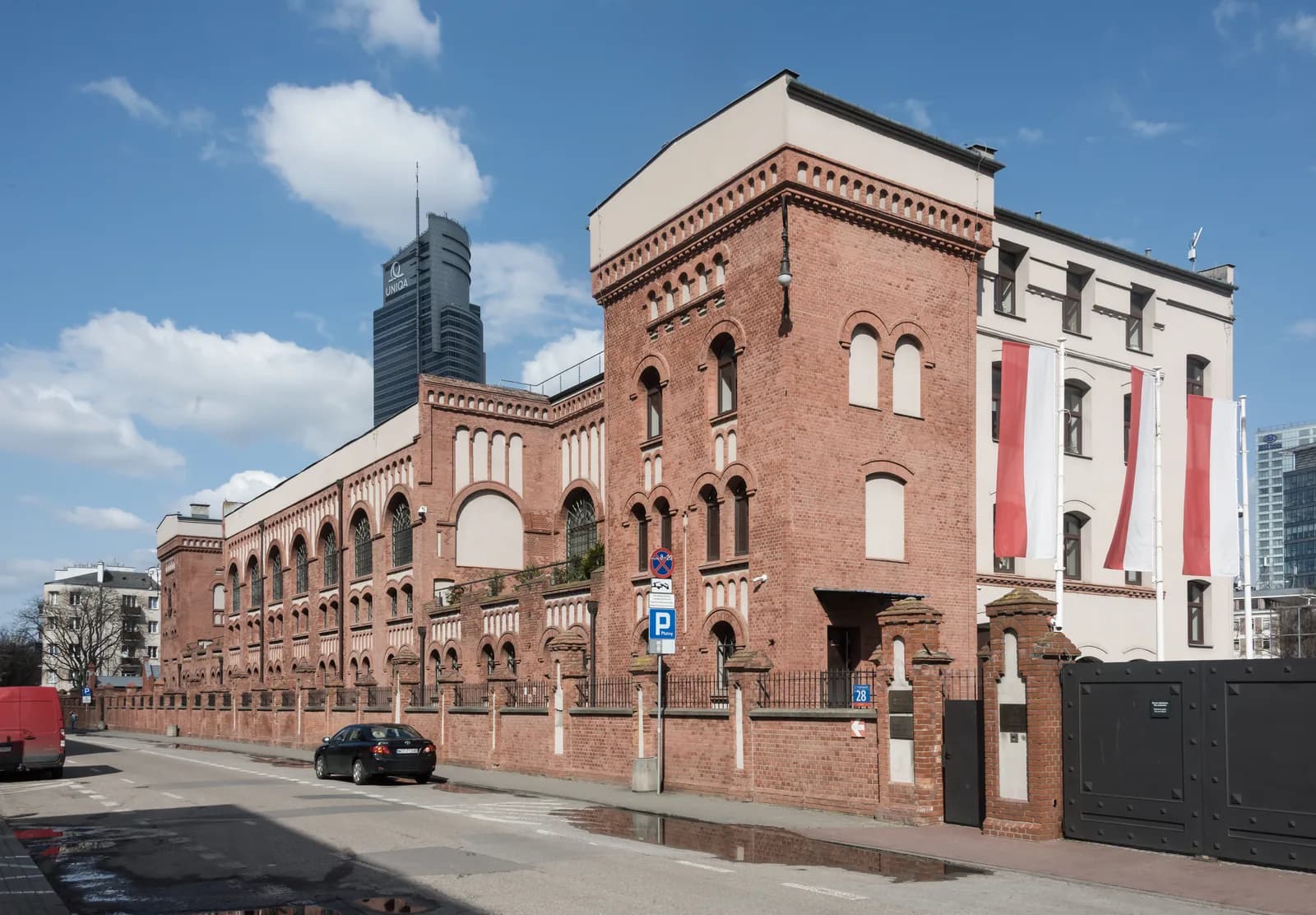
Photo credit: Adrian Grycuk — Wikimedia Commons, licence CC BY 3.0 pl.
The Palace of Culture and Science
An iconic 231-metre skyscraper, given to Poland by Stalin in 1955 — a symbol as imposing as it is controversial, but impossible to miss in Warsaw's skyline. An observation deck on the 30th floor (about 114 m) offers a 360° view over the city; the deck's prices vary by season, so it's best to check the current rate on site or on the official website before you go.
Łazienki Park and the alternative district of Praga
Łazienki Park, Warsaw's largest green space (76 hectares), is a former royal estate where peacocks roam free; it's home to the Palace on the Isle (Pałac na Wyspie) and a monument to Chopin. The park is free and open every day from 6am to 9pm; the Palace on the Isle has variable hours depending on the season (for example 10am-5pm or 10am-6pm from May to September), worth checking before visiting. At the opposite end from the rebuilt city, the Praga district, on the right bank of the Vistula, was spared by the 1944 destruction: its pre-war buildings now house galleries, cafés and bars in a more alternative atmosphere.
Our suggested itinerary: Warsaw in 3 days
Frequently asked questions
How many days should I plan for visiting Warsaw?
Two full days let you see the essentials (the Old Town, the Royal Castle, one major museum). Three days give you time to add Łazienki Park and the Praga district, or a trip to the outskirts.
Why is Warsaw's Old Town UNESCO-listed when it was rebuilt?
Because it's precisely the feat of its meticulous reconstruction (1945-1953), after roughly 95% destruction in 1944, that UNESCO recognises — a rare case where the act of faithful rebuilding, rather than original fabric, justifies the listing.
Should I visit both the Warsaw Rising Museum and the POLIN museum?
They cover different, complementary subjects: the first traces the 1944 armed uprising, the second the long (thousand-year) history of Jewish presence in Poland. If time is short, pick whichever matches your current interest rather than rushing through both.