What to Eat in Poland: Our Favourite Dishes, Tasted and Tried
By Jérôme R · Visited in July 2026, completed with our research · Updated · How we work
Polish food is generous, comforting and surprisingly affordable. Here are the dishes we actually tasted during our two-week trip, confirmed by our own receipts, rounded out with a few classics we didn't get the chance to try.
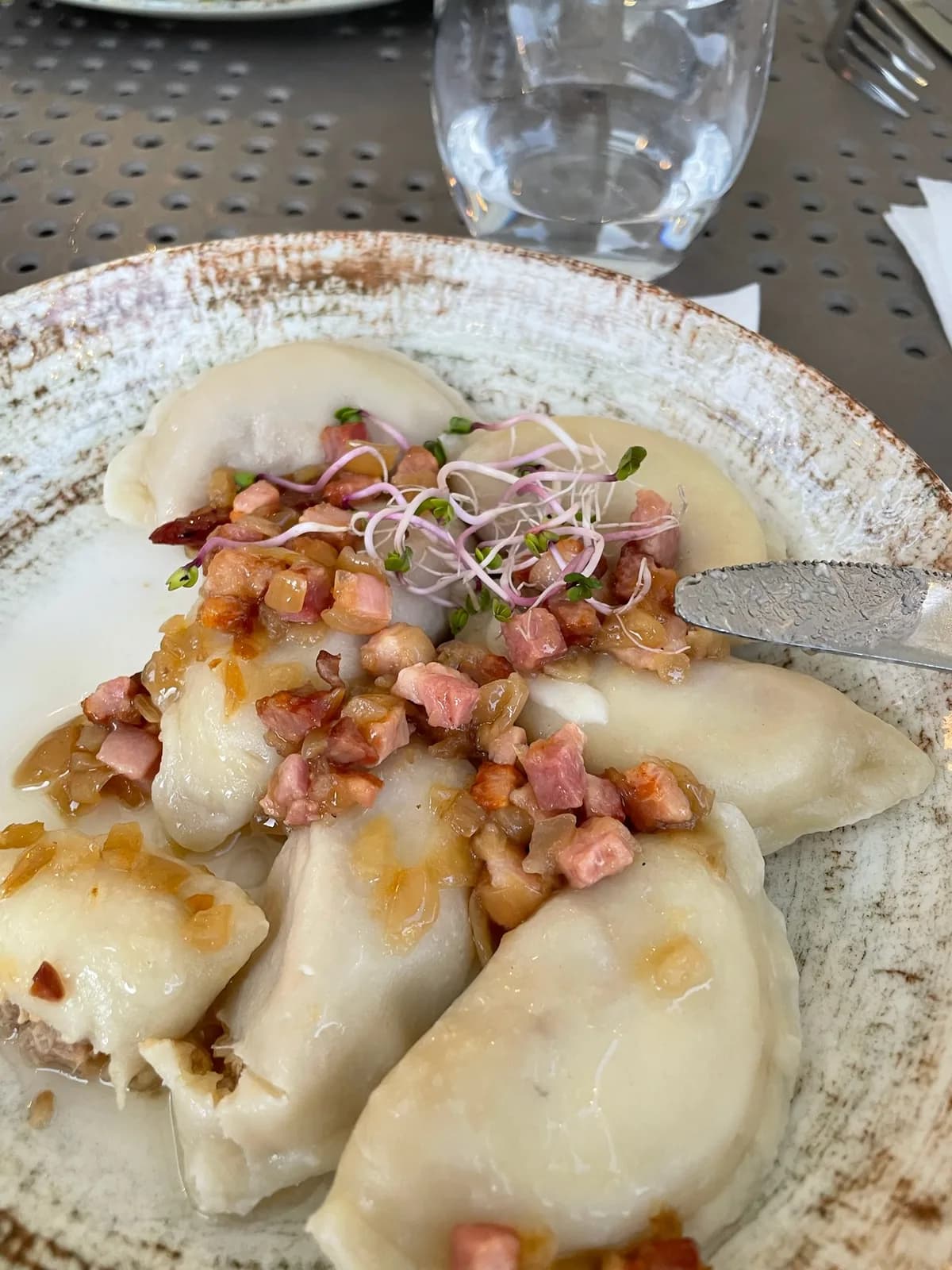
Pierogi
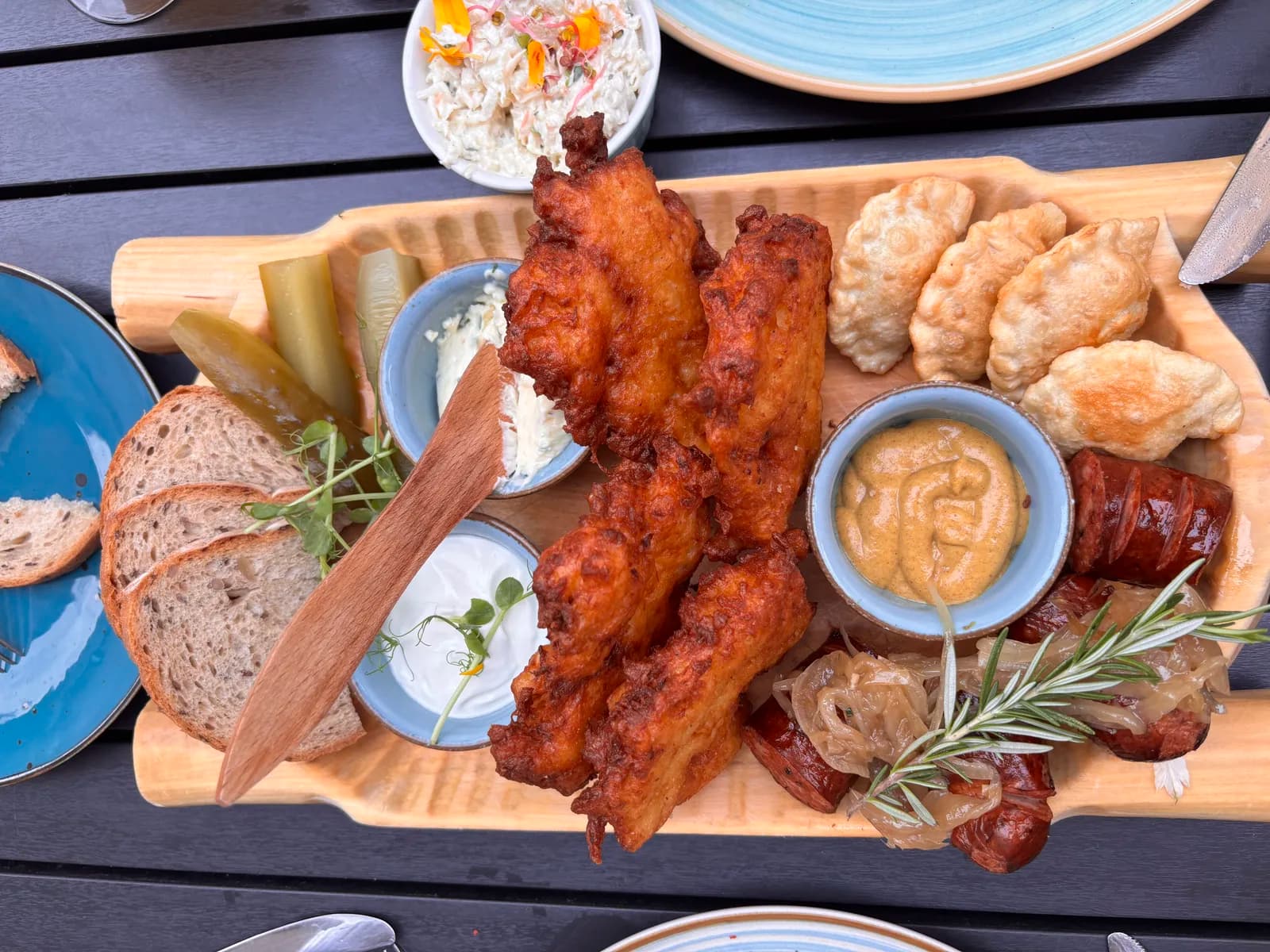
Pierogi, these Polish dumplings with thin dough, come in many varieties (cottage cheese and potato, meat, sauerkraut and mushroom, or even sweet ones filled with red berries). It's probably the best-known Polish dish internationally, and we tried it several times during the trip.
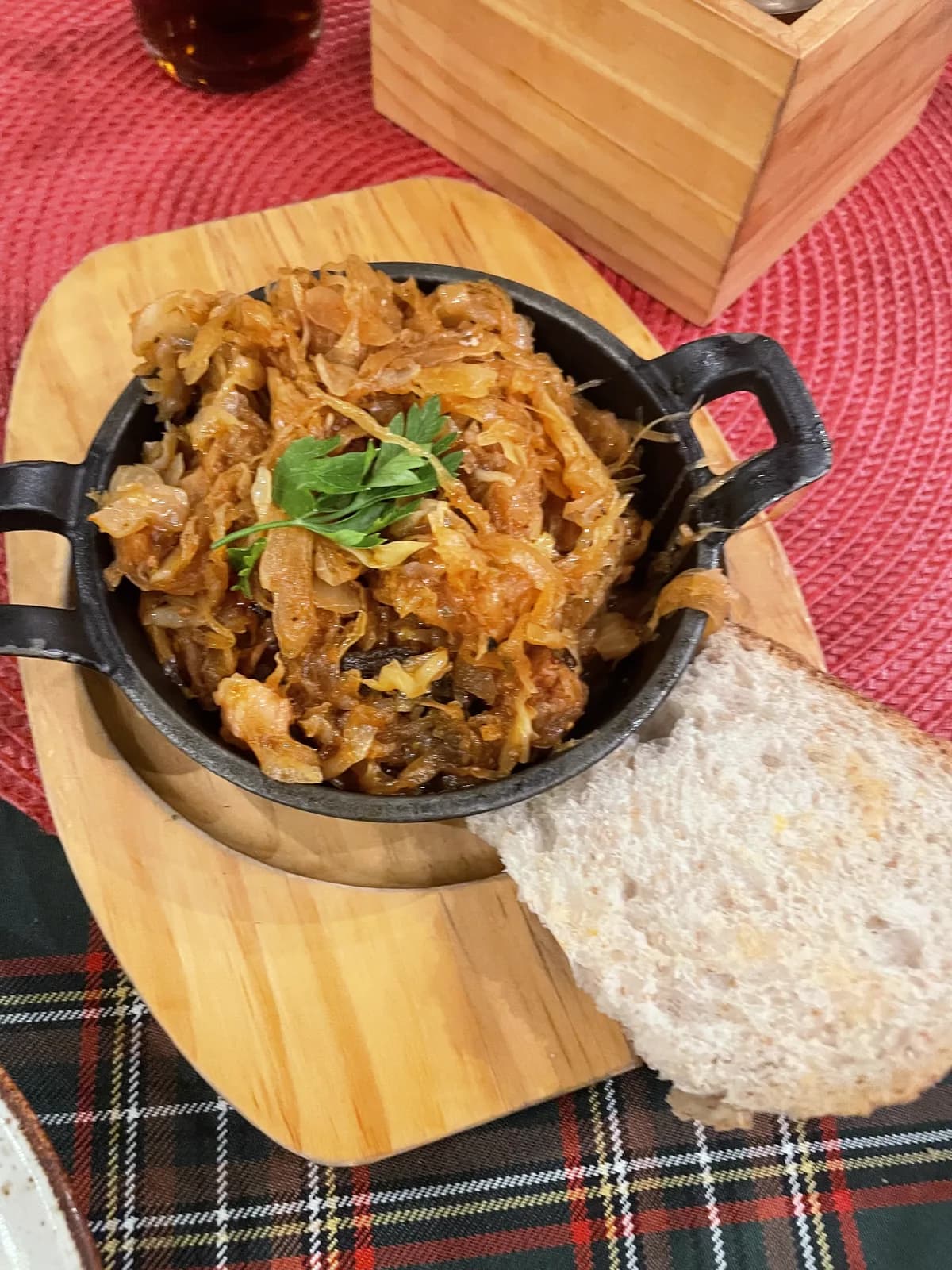
Bigos
Bigos, often presented as Poland's national dish, is a slow-cooked stew made with sauerkraut, fresh cabbage and several types of meat.
True story, July 2026: we had it at Restauracja Konspira, in Wrocław, during our dinner at that iconic restaurant.
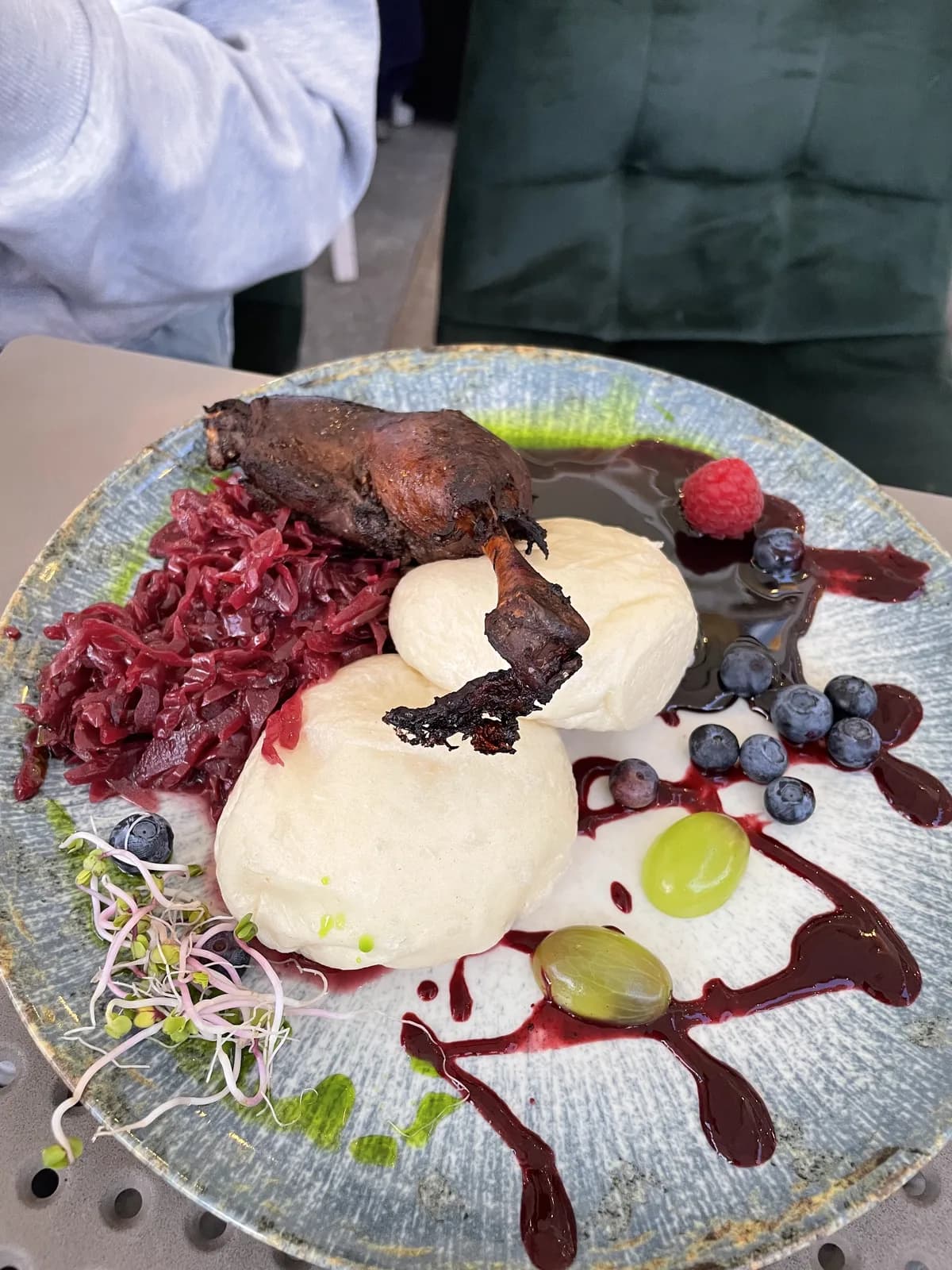
Polish-style duck
A classic of the Polish table, often served with apples or red cabbage.
True story, July 2026: we tried it during our stop in Poznań.
Żeberka (pork ribs) and rosół (broth)
True story, July 2026: we were lucky enough to try both dishes in Poznań, at Restauracja Vis A Vis Koziołków. Żeberka are slow-cooked or grilled pork ribs; rosół is a clear chicken broth, traditionally served as a starter on Sundays in Polish families.
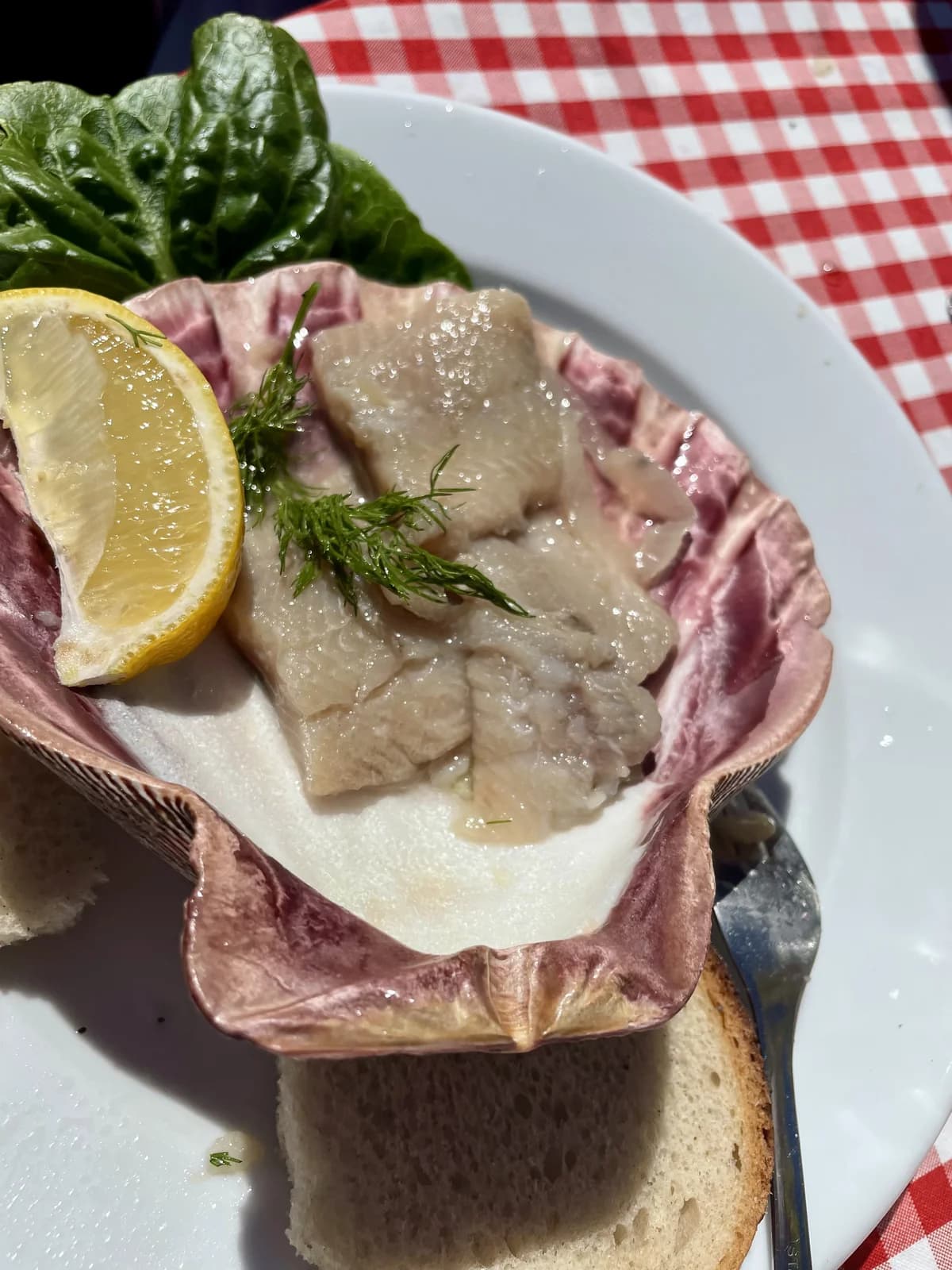
Polish-style herring
True story, July 2026: tried during our stop in Łeba. Herring comes in many forms in Poland (in oil, in cream, with onions), a staple of Polish tables.
Kluski: dumplings coated in sauce
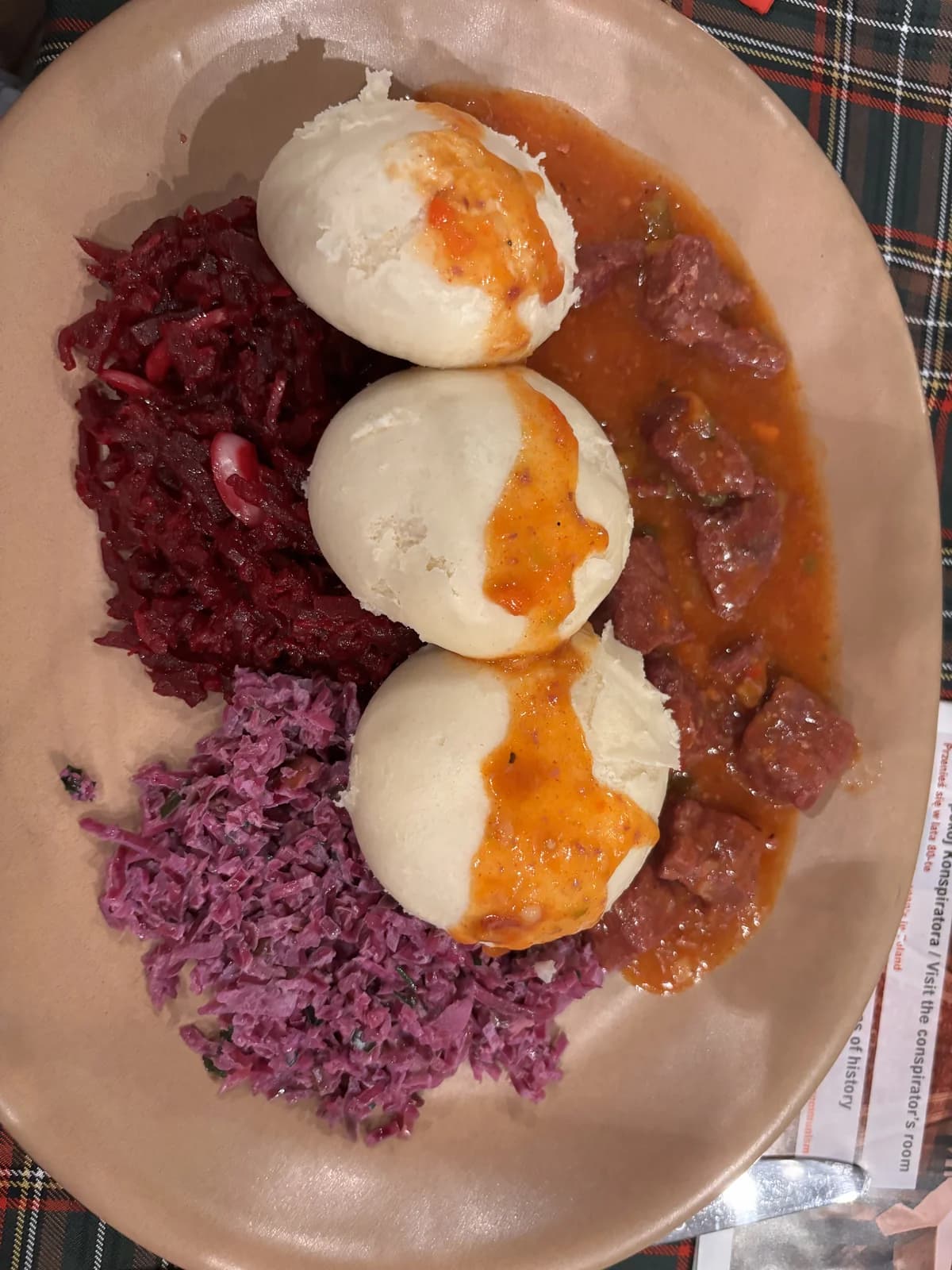
True story, July 2026: we tried these dumplings twice: with duck in Poznań, then with a beef stew at Restauracja Konspira in Wrocław. These weren't traditional kluski śląskie (recognisable by the small dimple in the middle, an Upper Silesian speciality we didn't try) but plain kluski, coated in the sauce of the dish they come with.
What we didn't try, in full honesty
A note on transparency: the following dishes are among the classics of Polish cuisine, but we didn't get the chance to try them ourselves during our trip. We mention them for reference.
Zapiekanka, often nicknamed “Polish pizza”, is a street-food speciality made from grilled baguette, topped with mushrooms, melted cheese and ketchup — a nightlife institution in Kraków, particularly in the Kazimierz district.
Żurek, a traditional soup made from fermented rye flour, often served with sausage and an egg. Barszcz (borscht), a red beetroot soup. Sernik, a dense Polish cheesecake. Oscypek, a smoked sheep's cheese from the Podhale mountains. Kotlet schabowy, the Polish-style breaded pork cutlet. Gołąbki, stuffed cabbage rolls. Placki ziemniaczane, grated potato pancakes.
Good to know
▸ Good to know
- Portions in Poland are generous, and prices generally stay affordable compared with France.
- Polish cuisine varies by region: Silesia (Katowice, Wrocław) has its own specialities, as do the Podhale mountains.
- Many of these dishes come in a vegetarian version at tourist-friendly restaurants.
Frequently asked questions
What's the best-known traditional Polish dish?
Pierogi are probably the best known internationally, but bigos is often considered the quintessential Polish national dish.
What should I eat in Poland to discover local cuisine?
Pierogi, bigos, żeberka and rosół, Polish-style herring and kluski are among the classics we personally tried and recommend for a first taste of Polish gastronomy.