Hel Peninsula: Our Day Trip Discovery
By Jérôme R · Visited in July 2026, completed with our research · Updated · How we work
The Hel Peninsula was one of the loveliest surprises of our trip to Poland — and yet it wasn't originally planned. Here's our full experience, as a day trip from our base in Łeba.
A change of plan that paid off
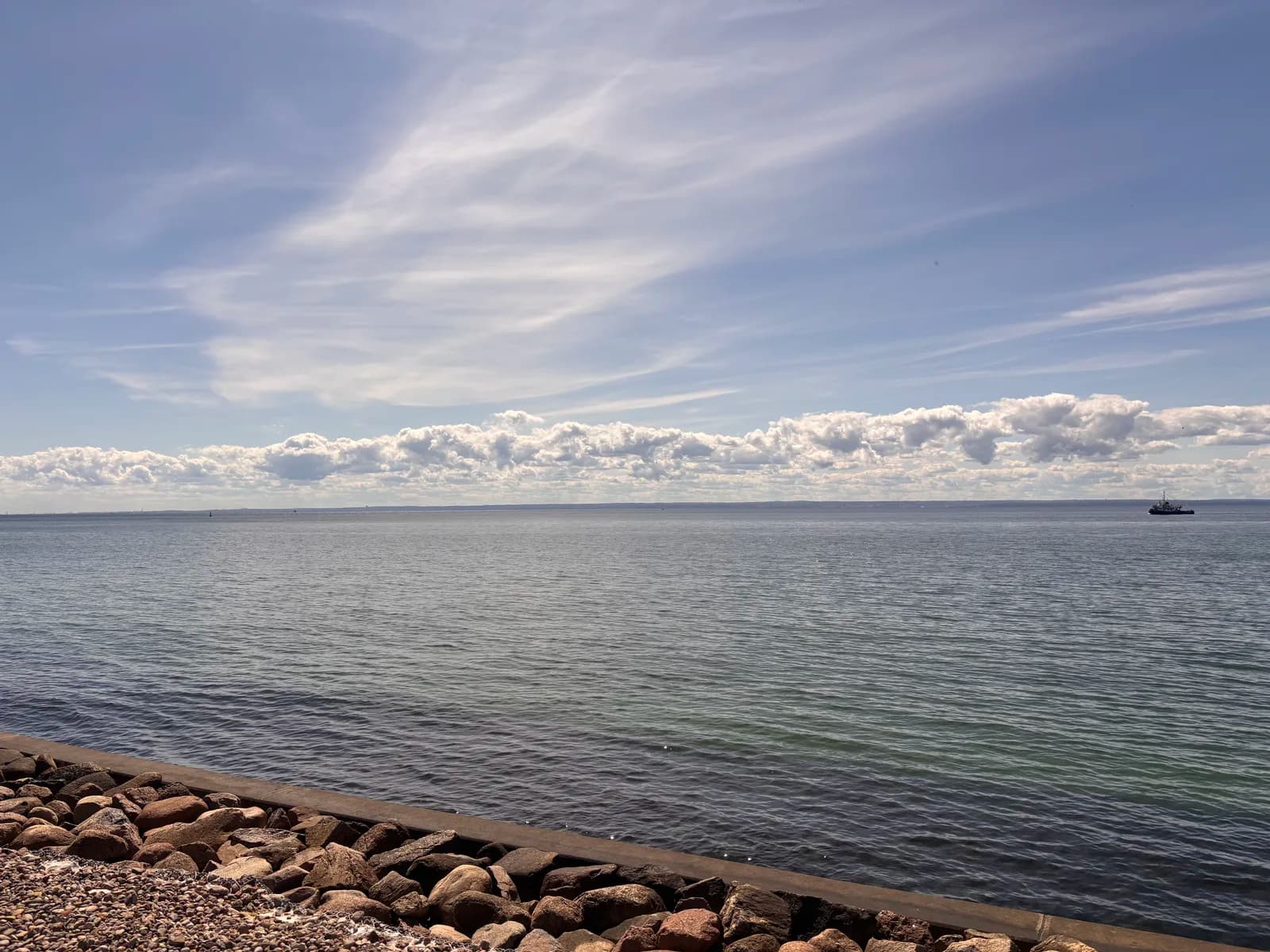
True story, July 2026: we'd originally planned to visit Gdańsk, the world capital of amber. In the end we changed our minds for something more nature-focused, heading instead to this long, narrow strip of sand, 34 to 35 km long, that juts out into the Baltic Sea, separating the Bay of Puck from the open sea. The drive turned out longer than the one to Gdańsk would have been, but it was clearly worth it: a single road runs the length of the peninsula, with the sea on both sides once you're on the spit — a pretty unique landscape.
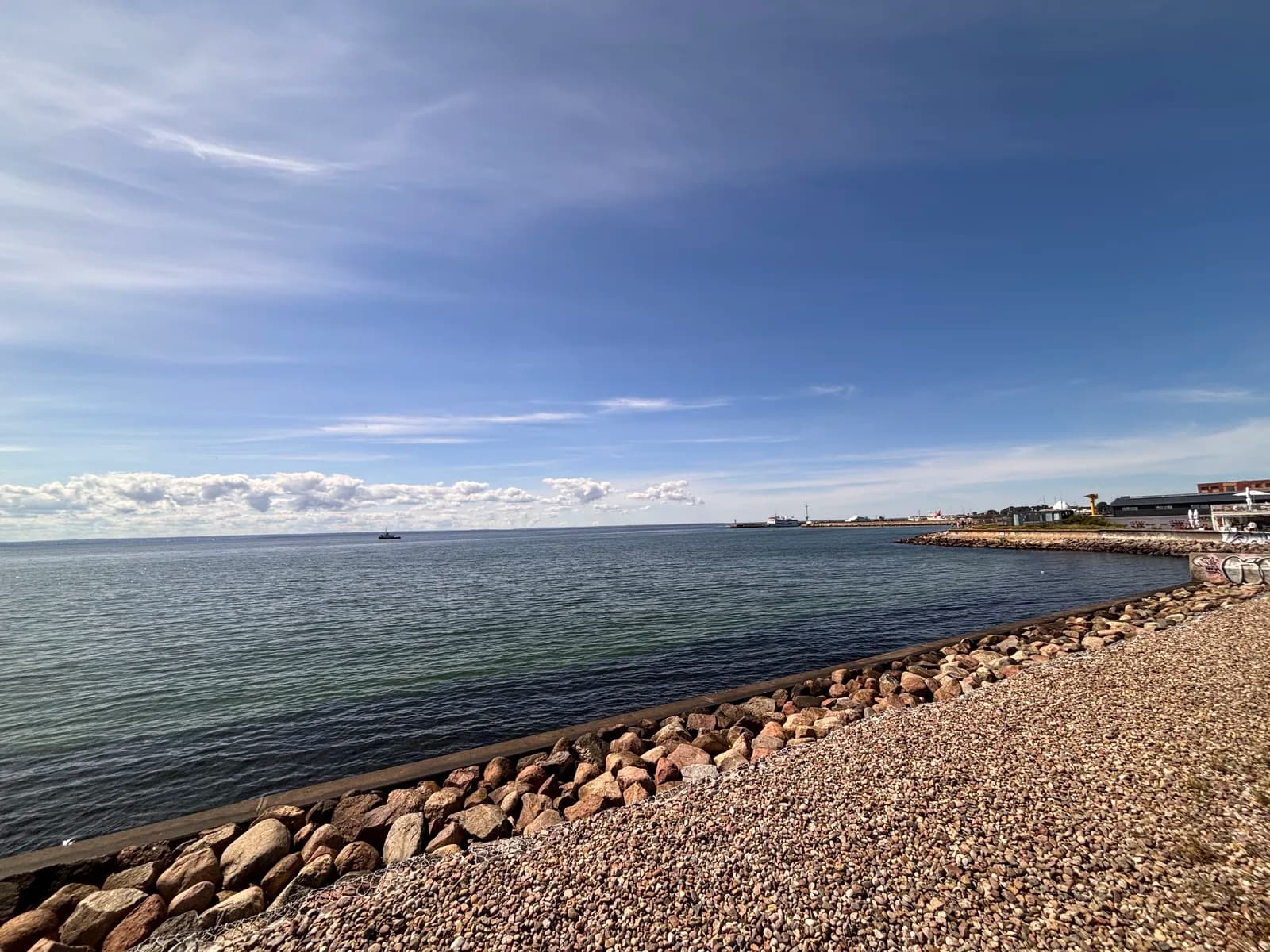
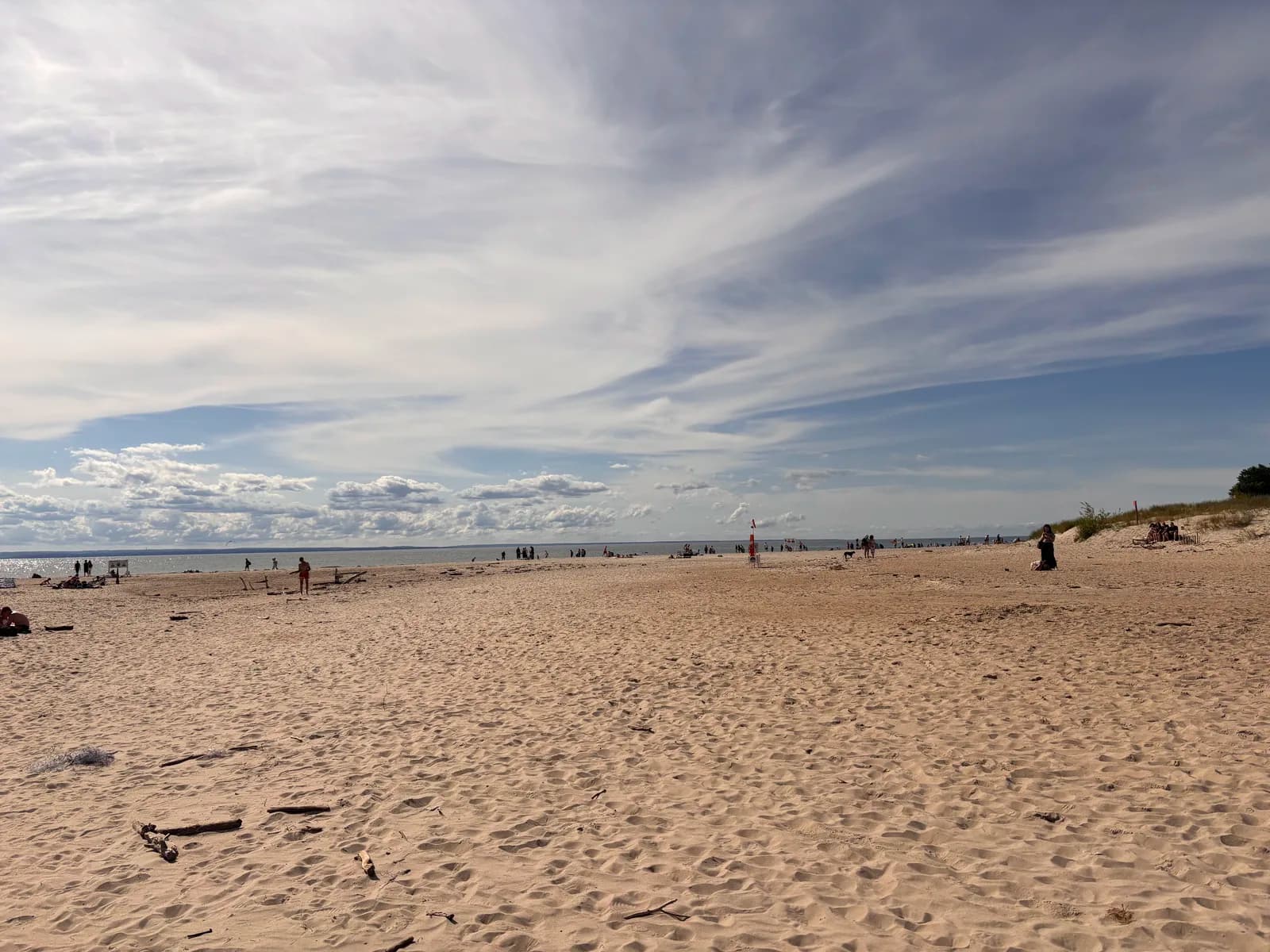
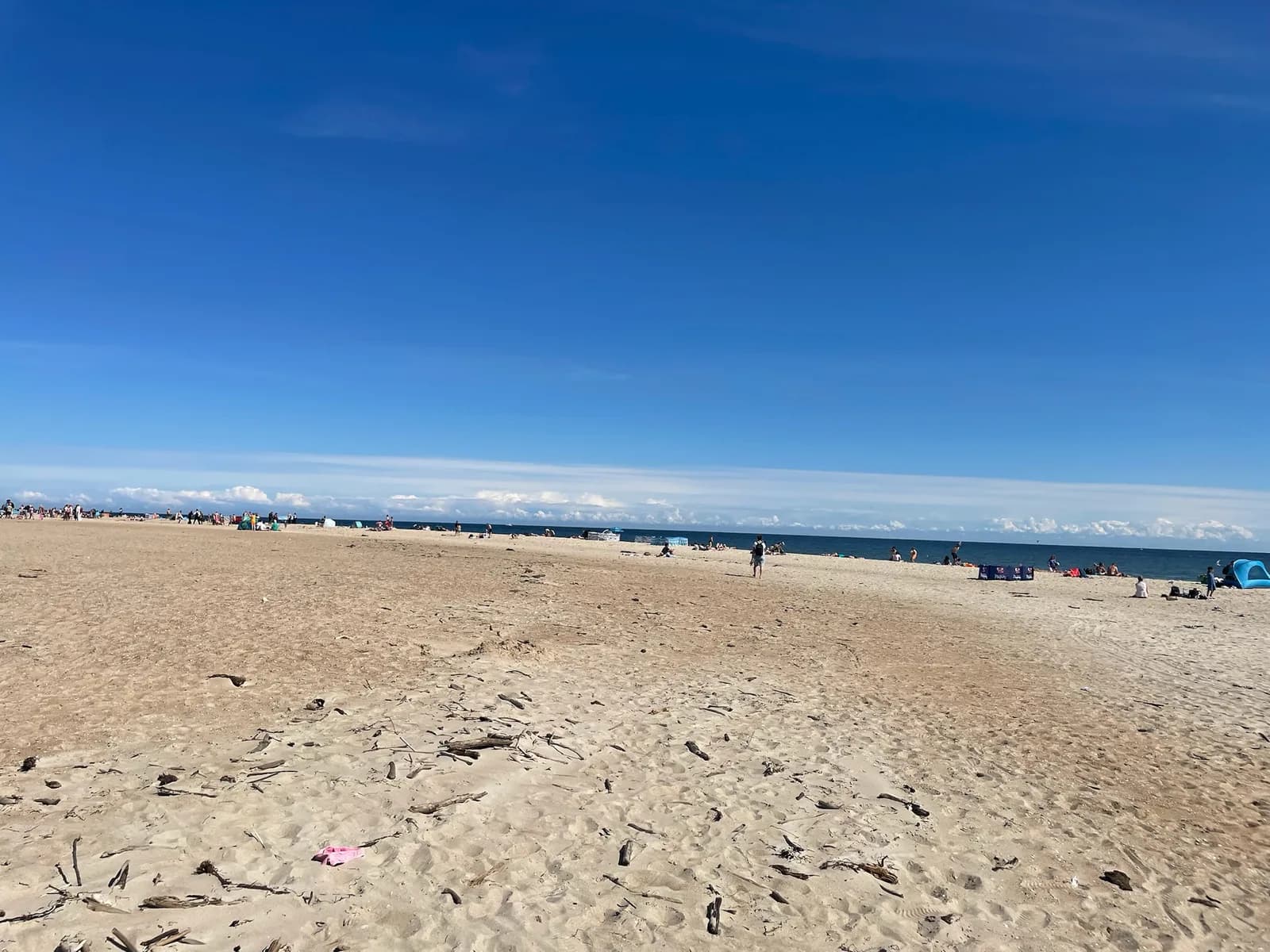
The peninsula's beaches
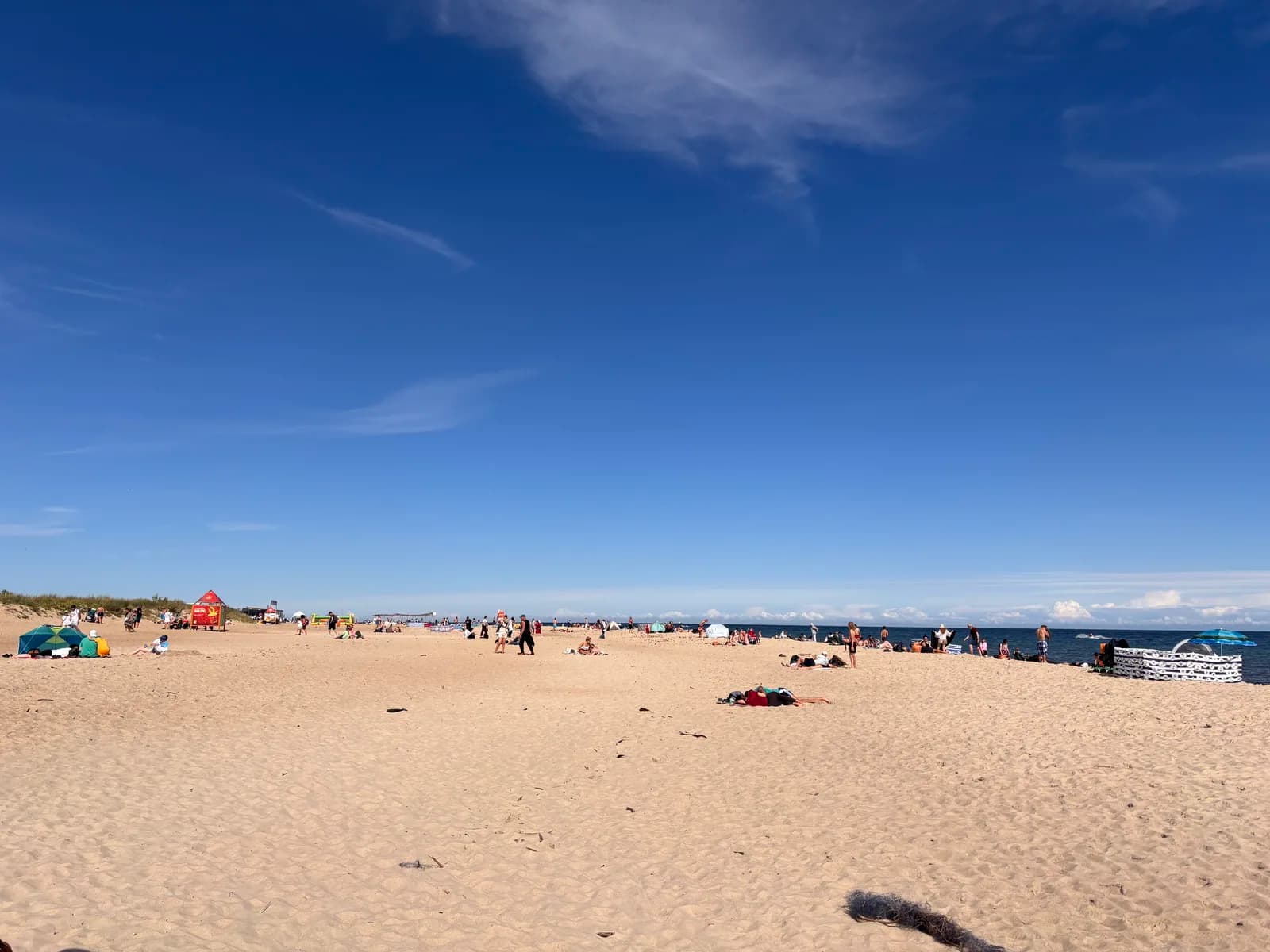
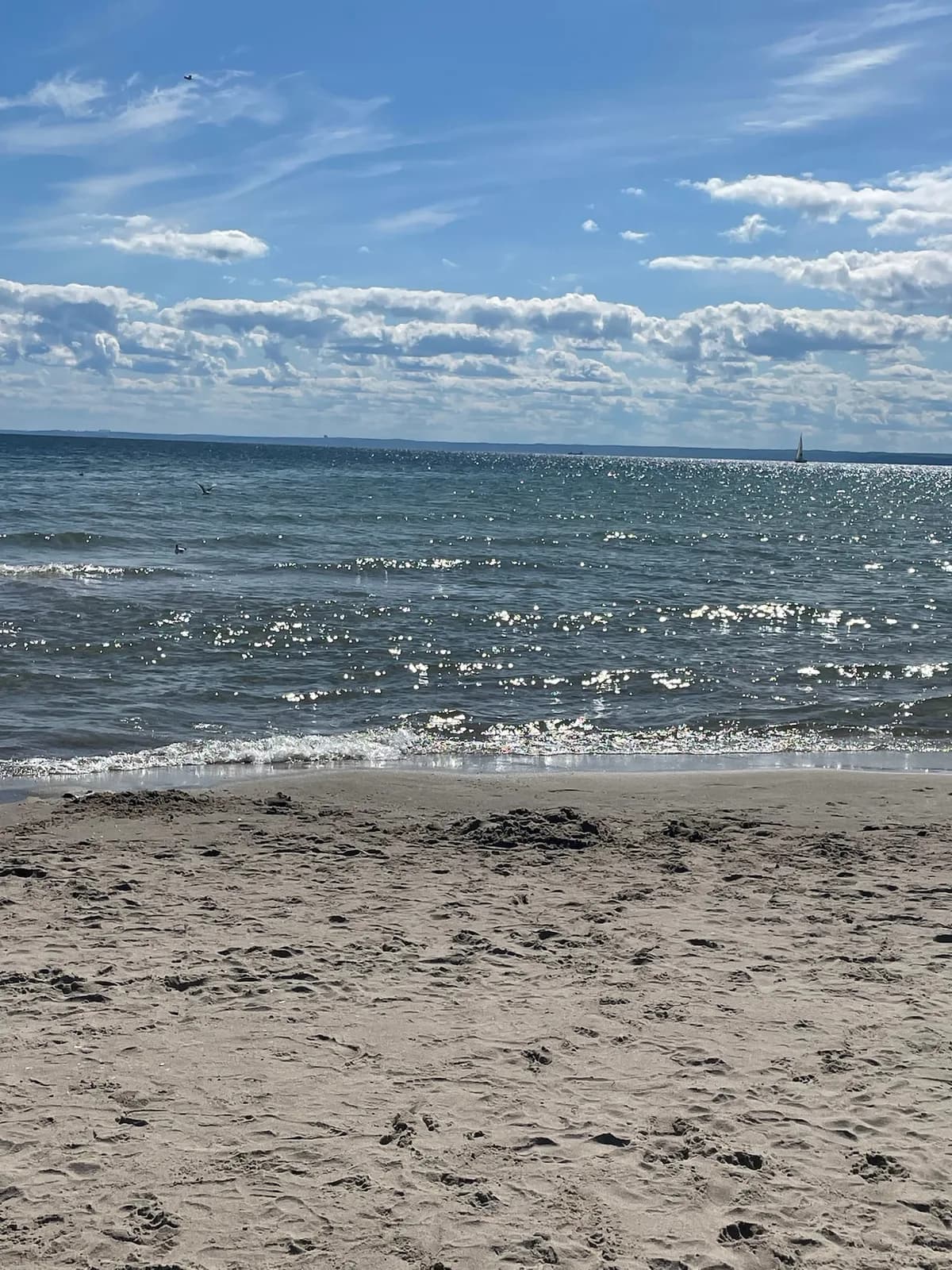
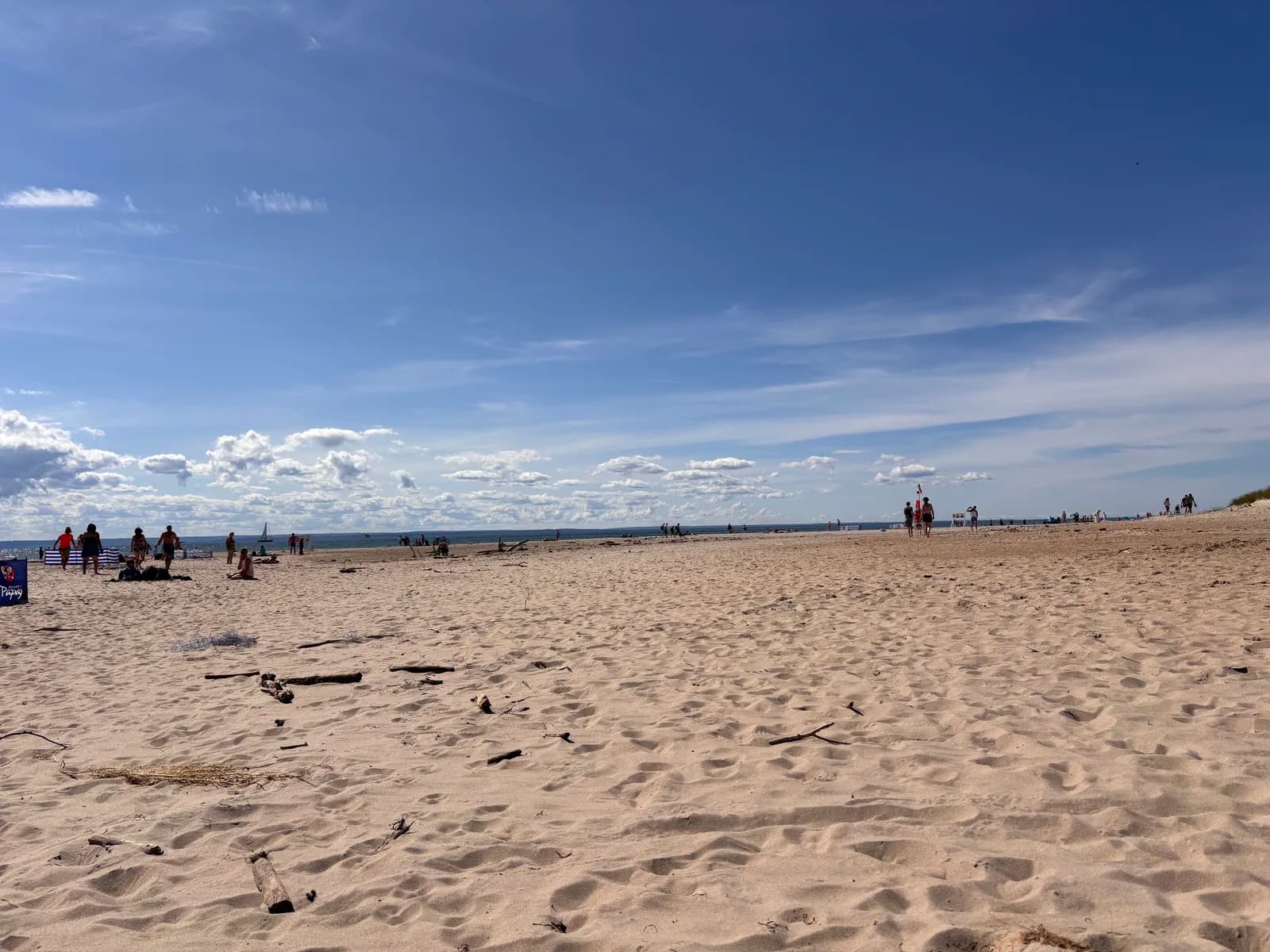
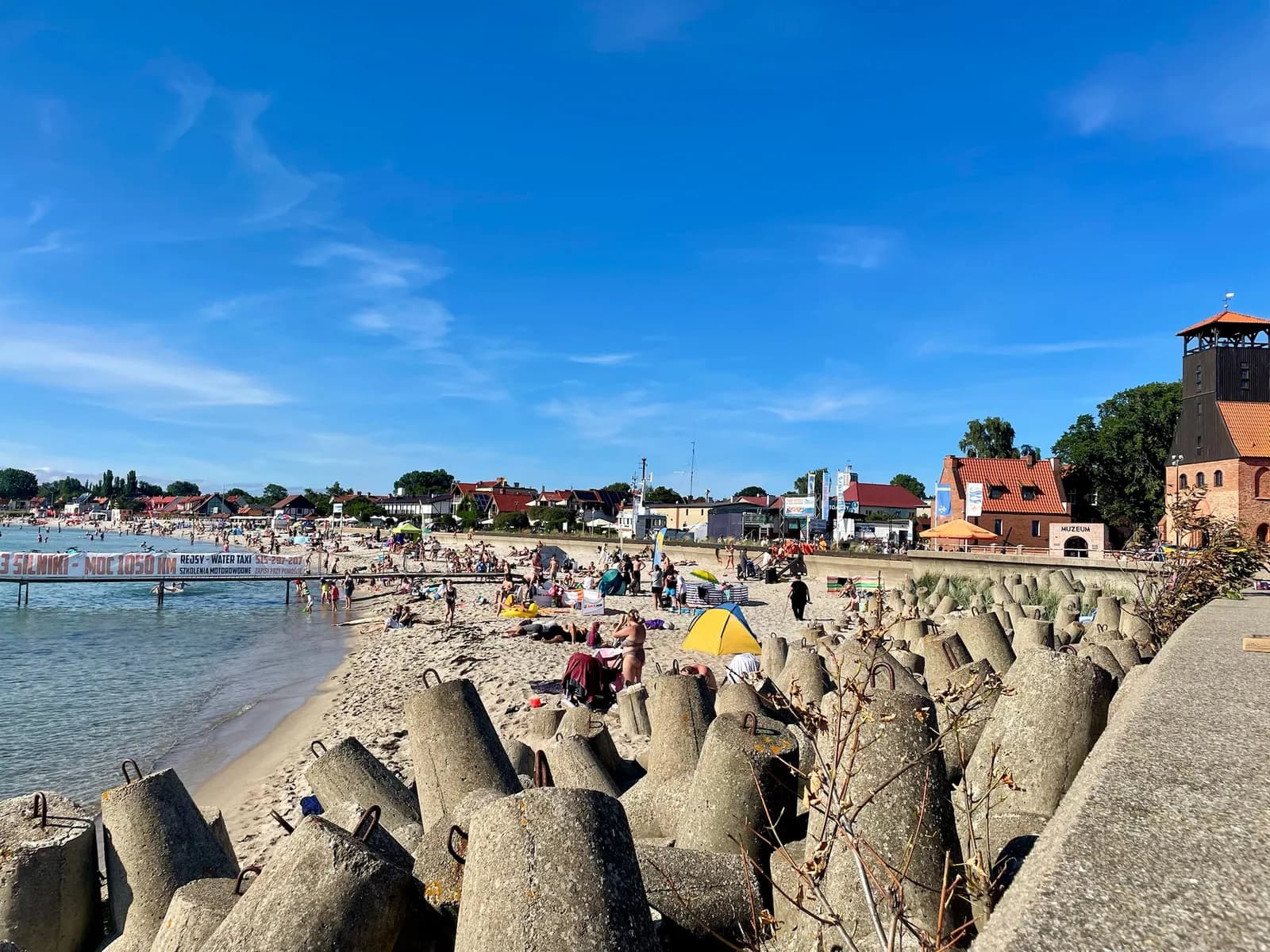
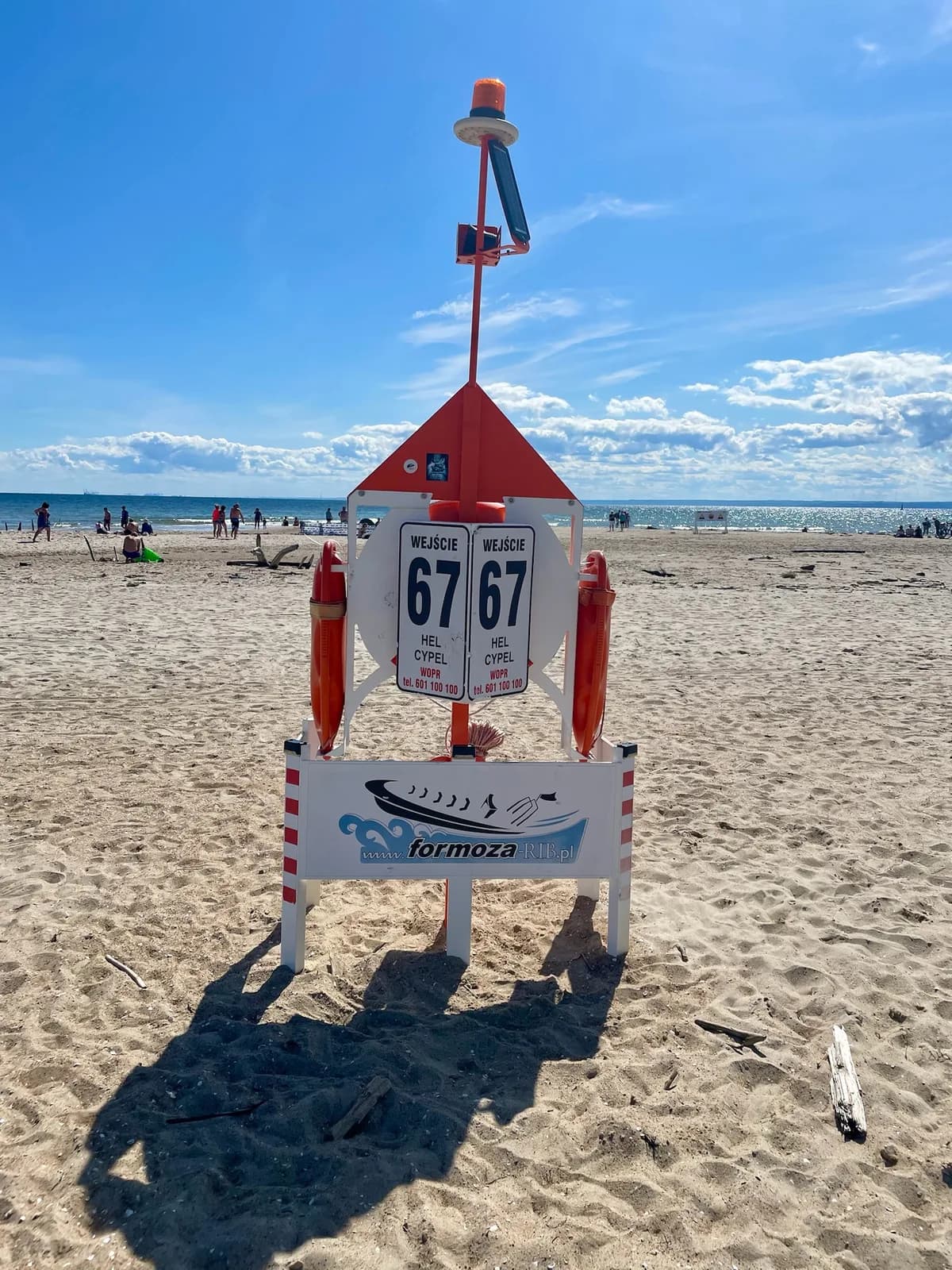
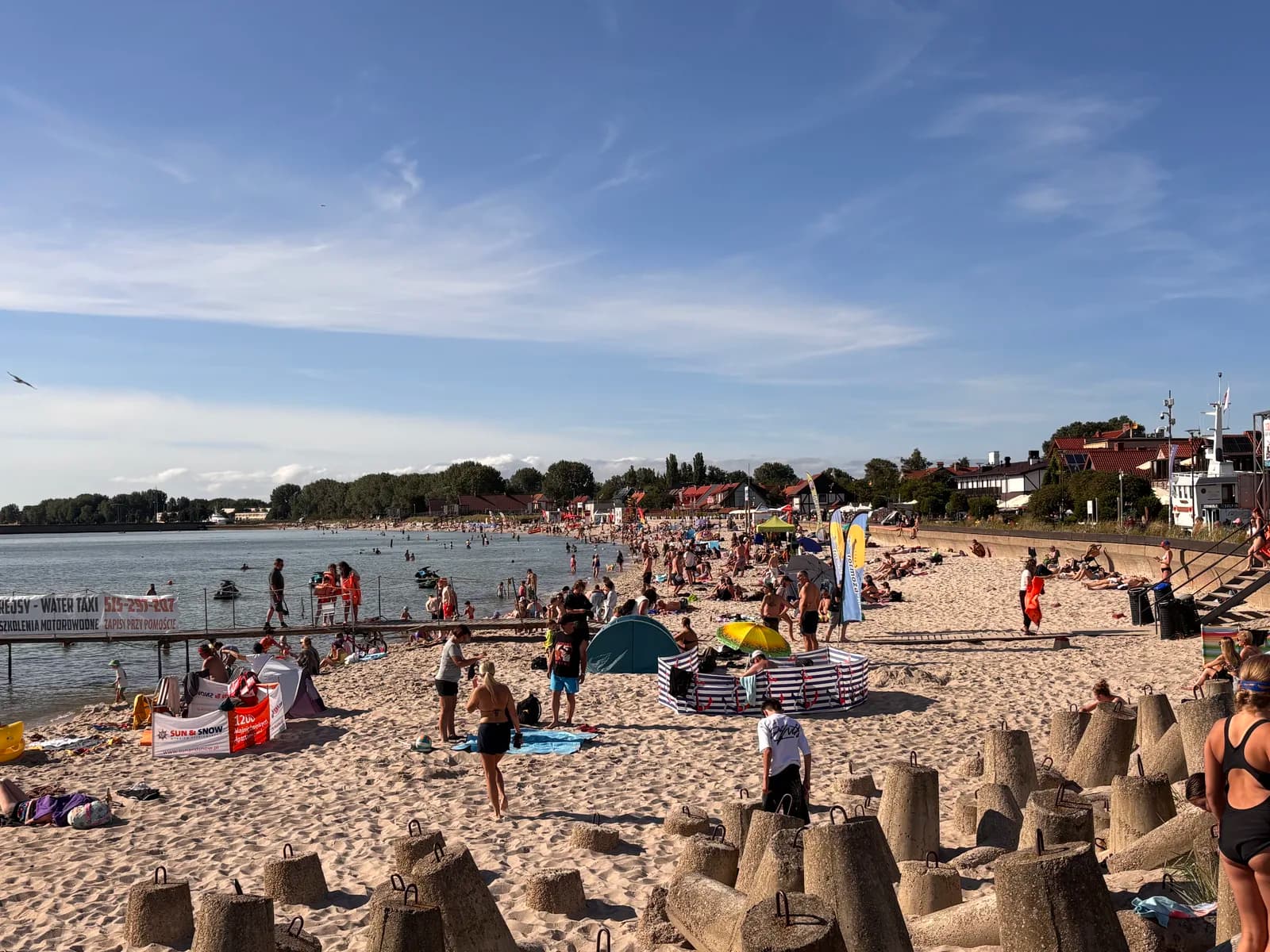
Hel's beaches are huge and quiet, very pleasant to walk along. We walked along the coast, enjoying the calm and space, far from the crowds found on other European coastlines in summer.
Practical tip: we arrived late morning and left late afternoon, deliberately avoiding the peak in foot traffic, noticeably heavier from mid-afternoon onwards — a good window to aim for.
The Hel Peninsula, and the Jastarnia area in particular, is a very popular spot with kitesurfers, with numerous schools on site. We saw plenty of people practising during our visit, without trying the sport ourselves.
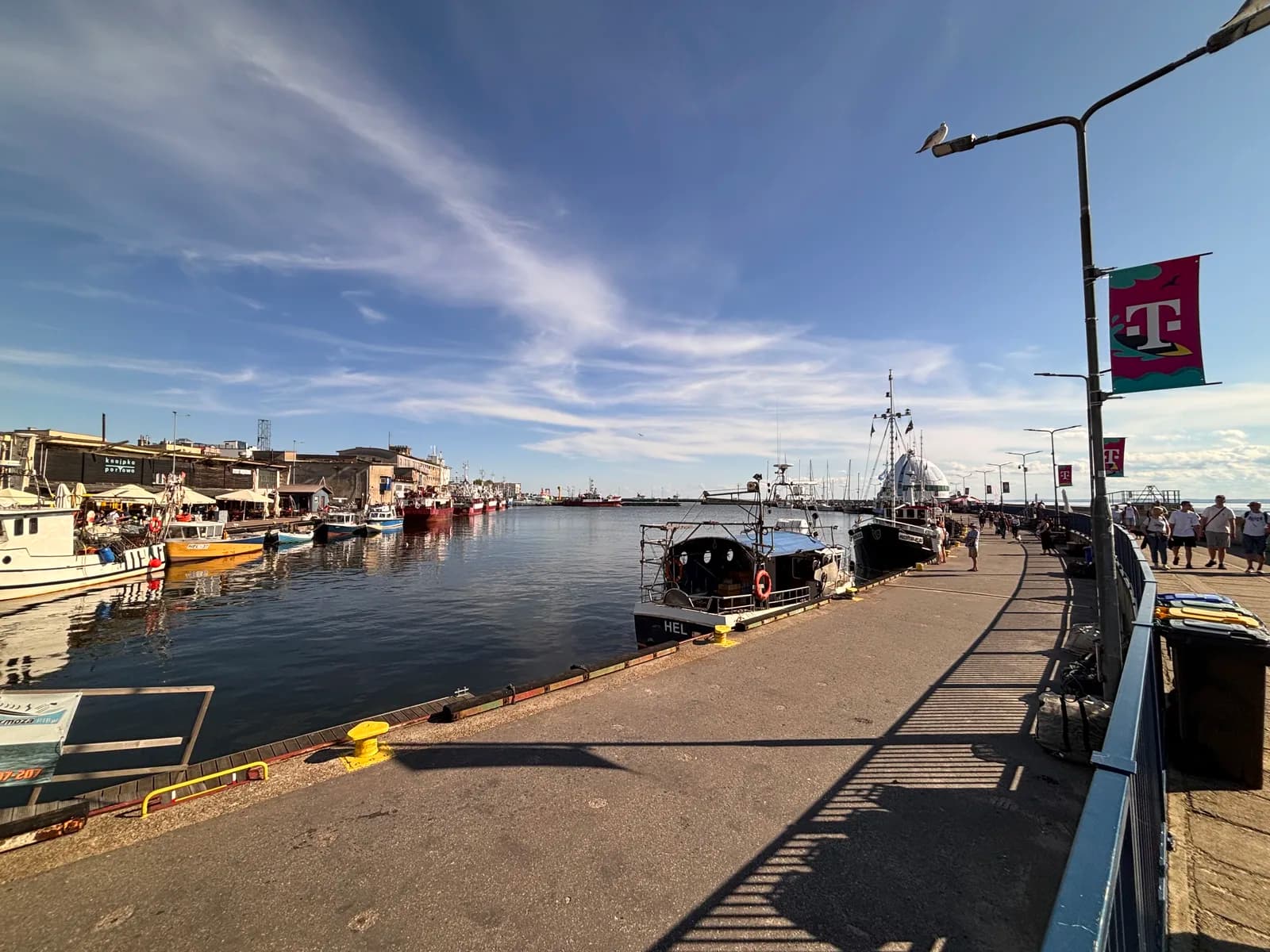
The village of Hel: port, lanes and seafront
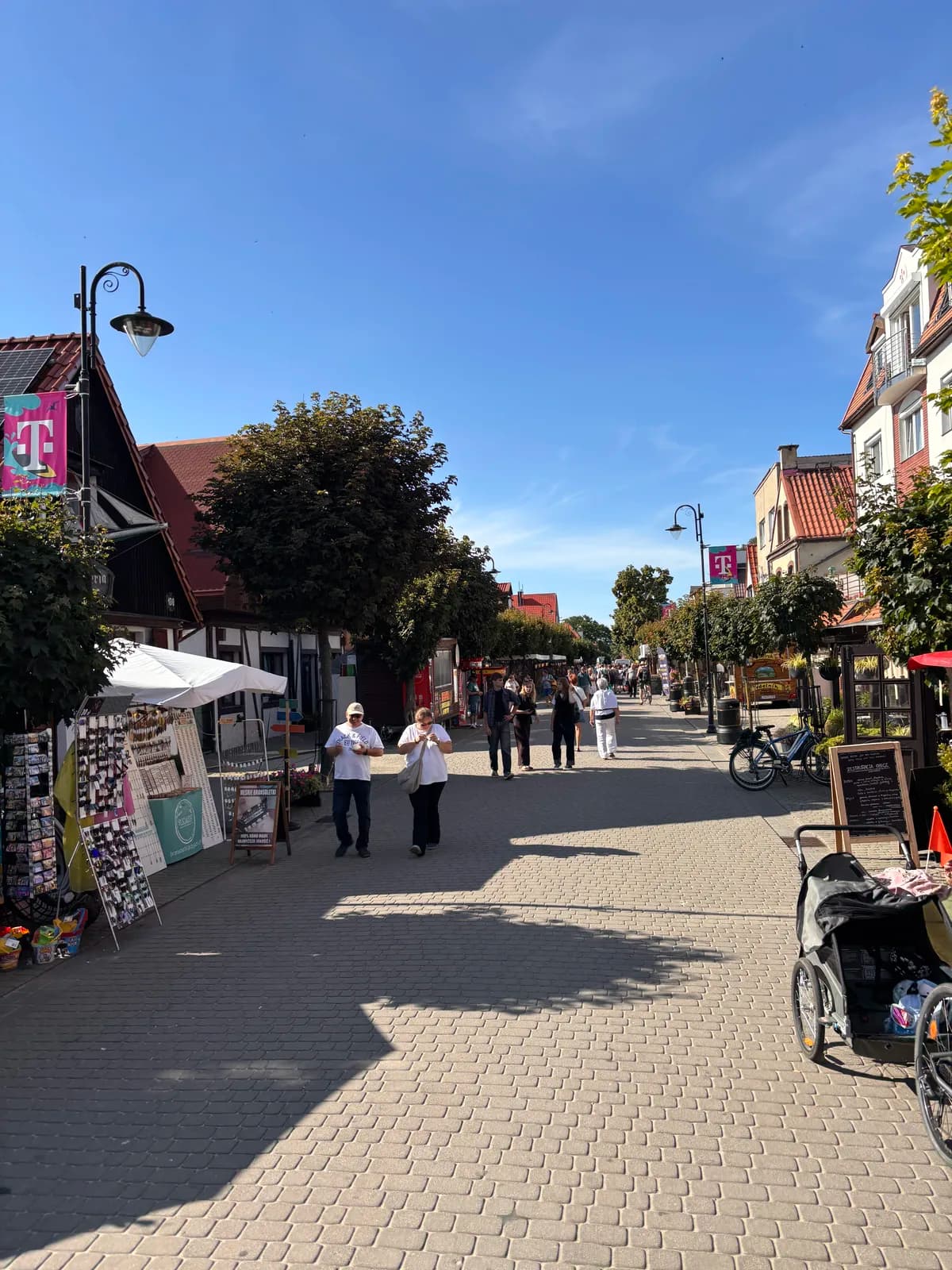
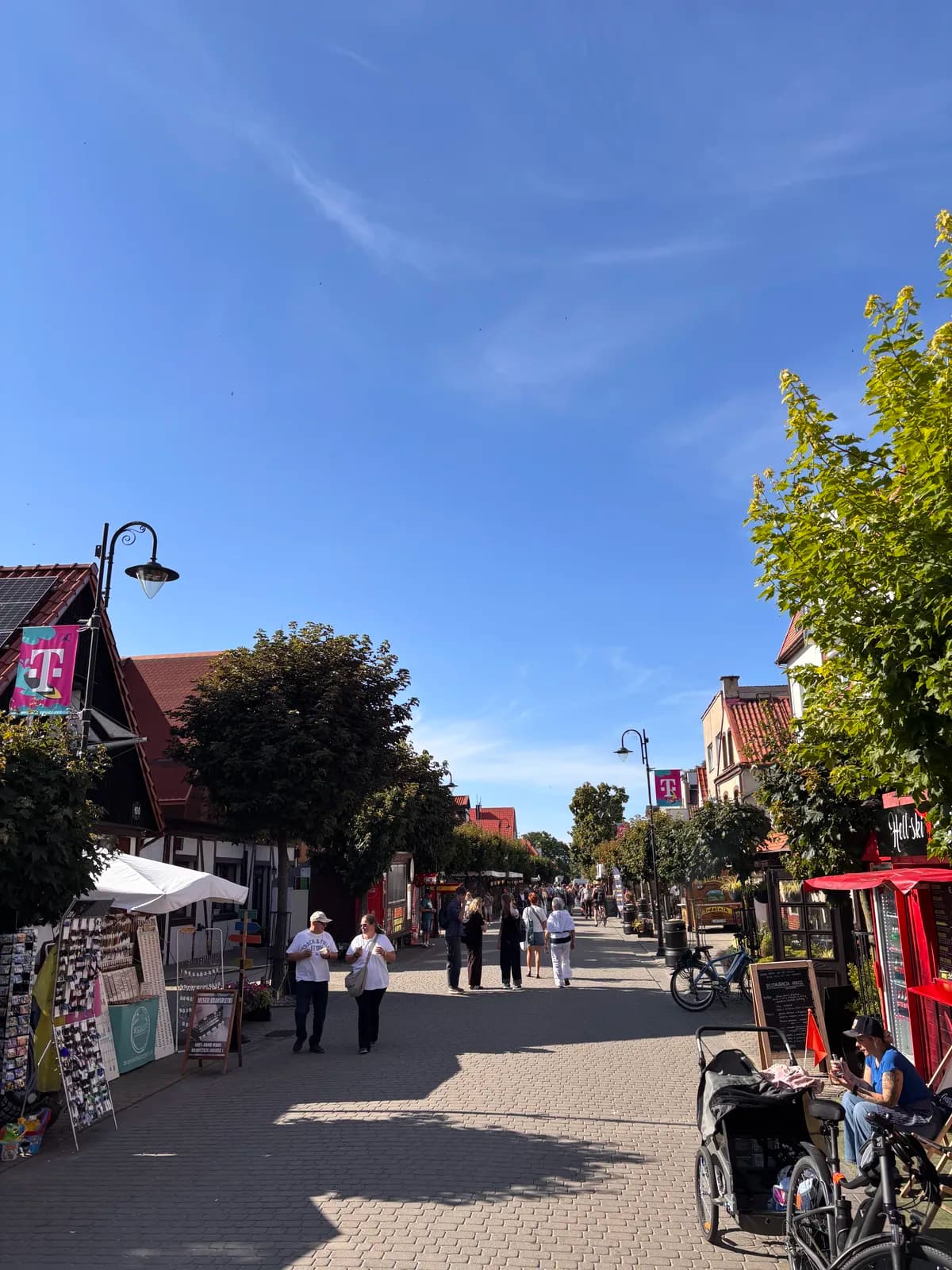
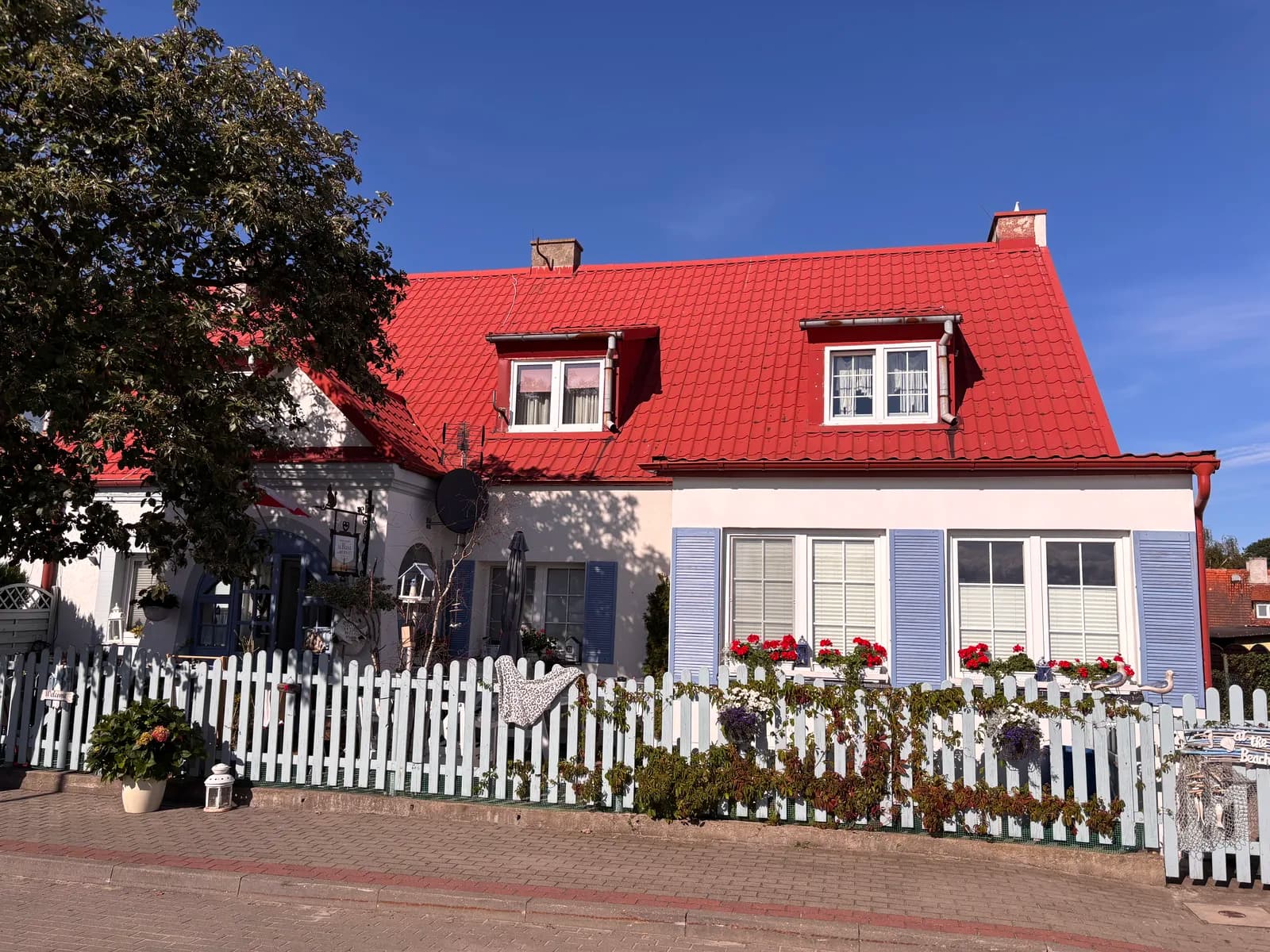
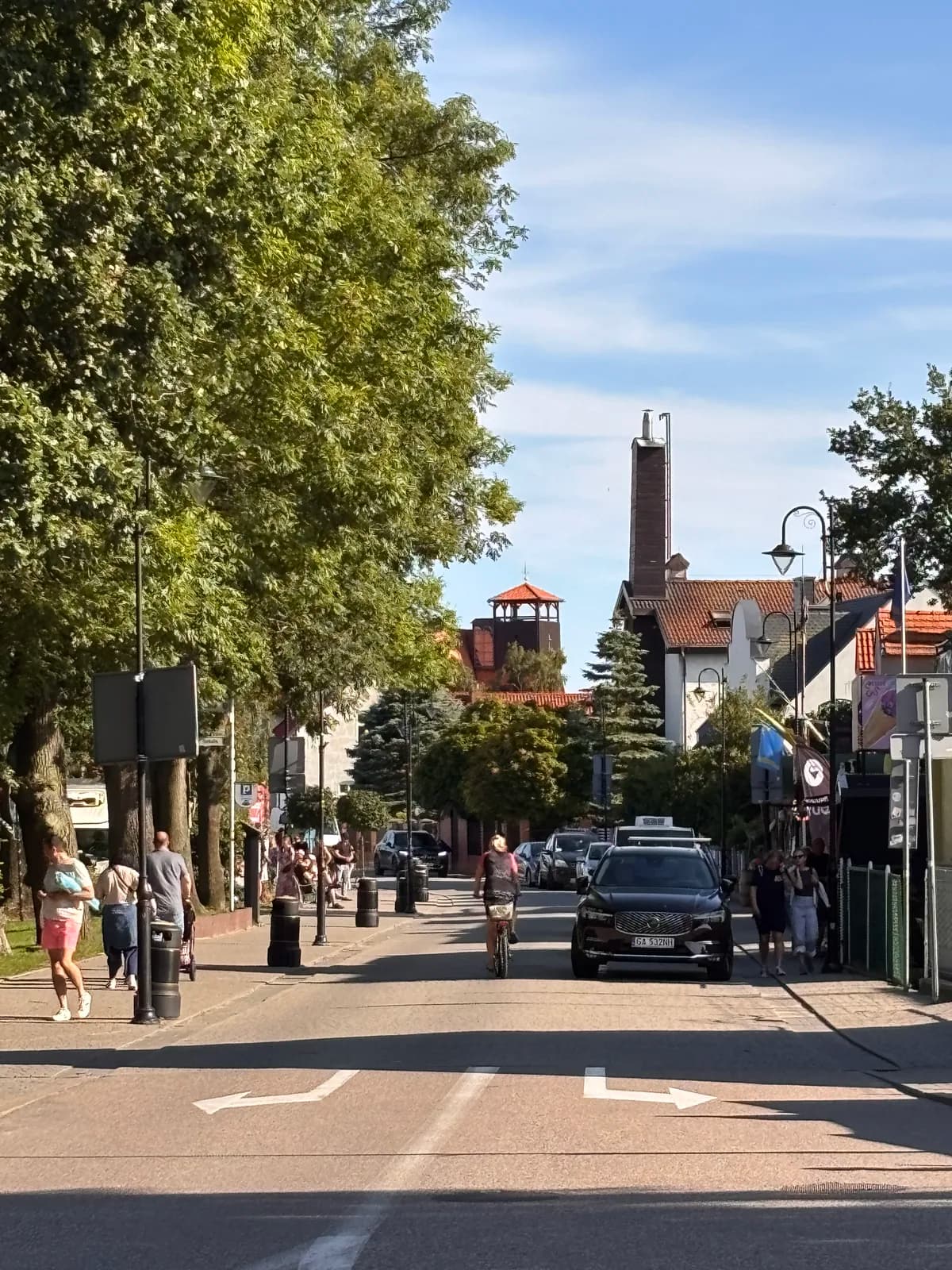
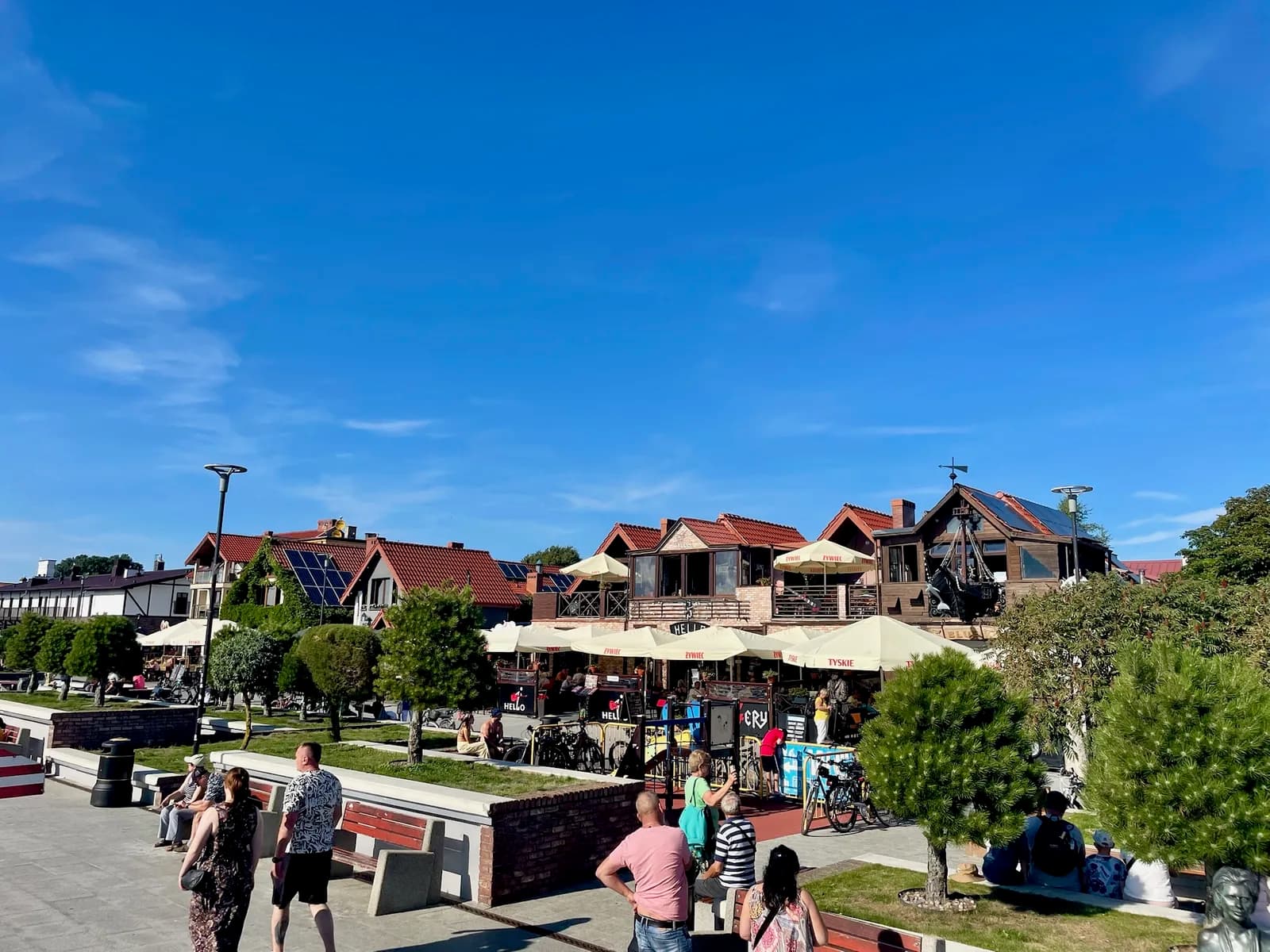
Beyond the beaches, Hel is also a genuine little fishing village, with a still-active port where boats come back loaded with freshly caught fish. The main pedestrian street, lined with trees and low houses with red roofs and colourful shutters, has most of the shops — often with names that play on the town's name, like a ski and winter sports shop called “Hell-Ski”.
True story, July 2026: we took the time to wander these lanes late in the day, between coming back from the beach and the drive back to Łeba — a pleasant way to round off the visit before hitting the road again.
WWII remains
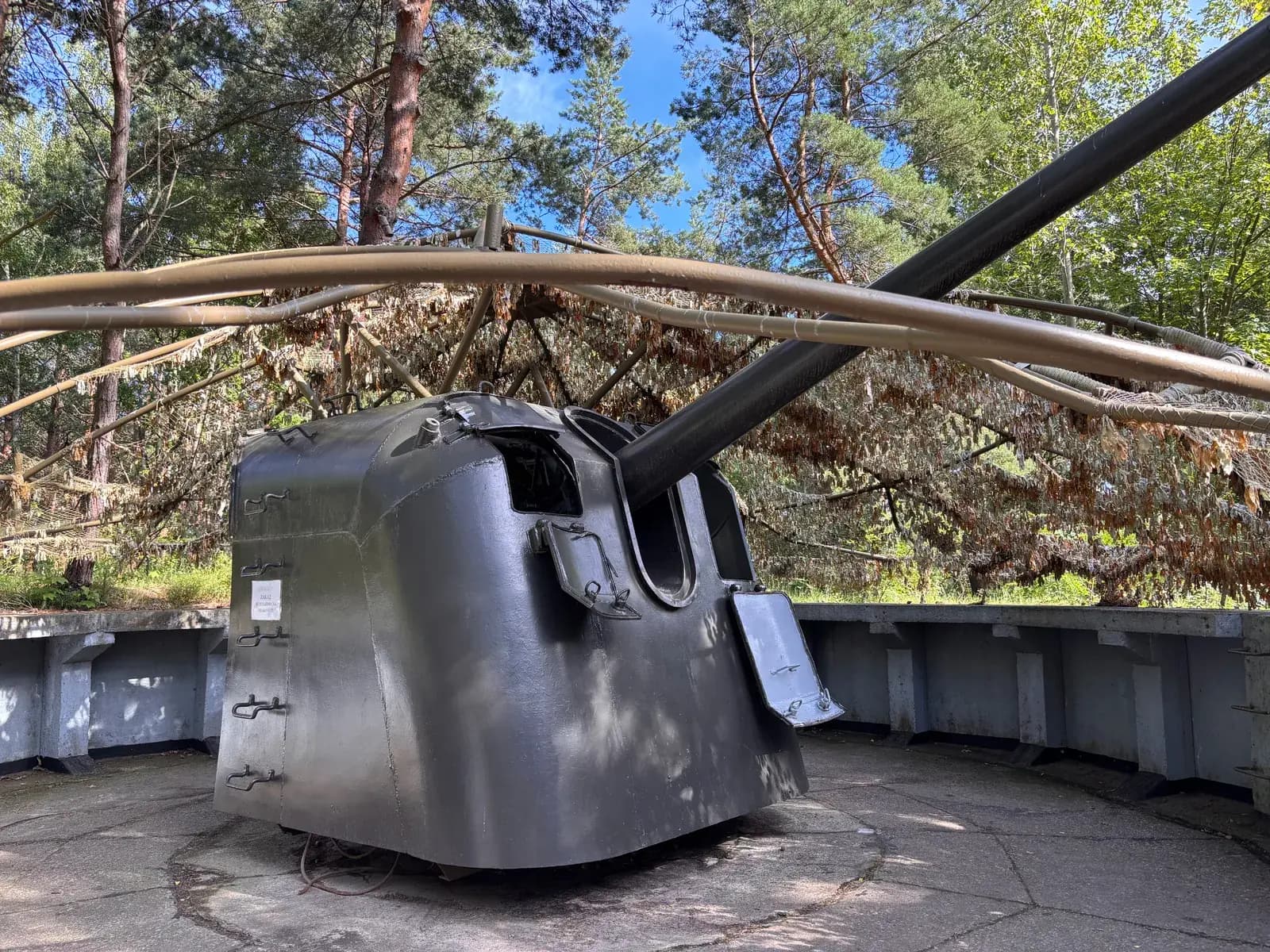
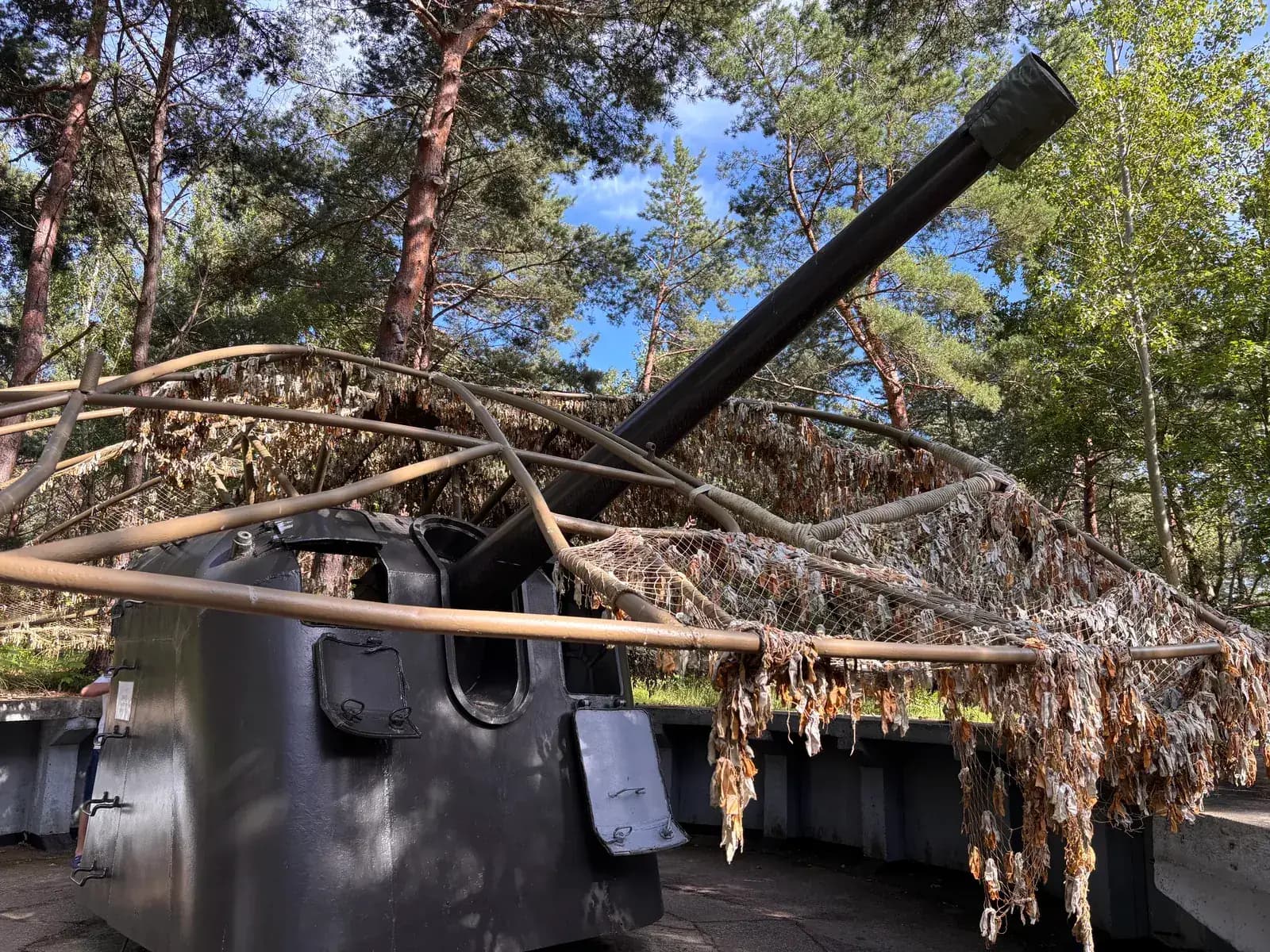
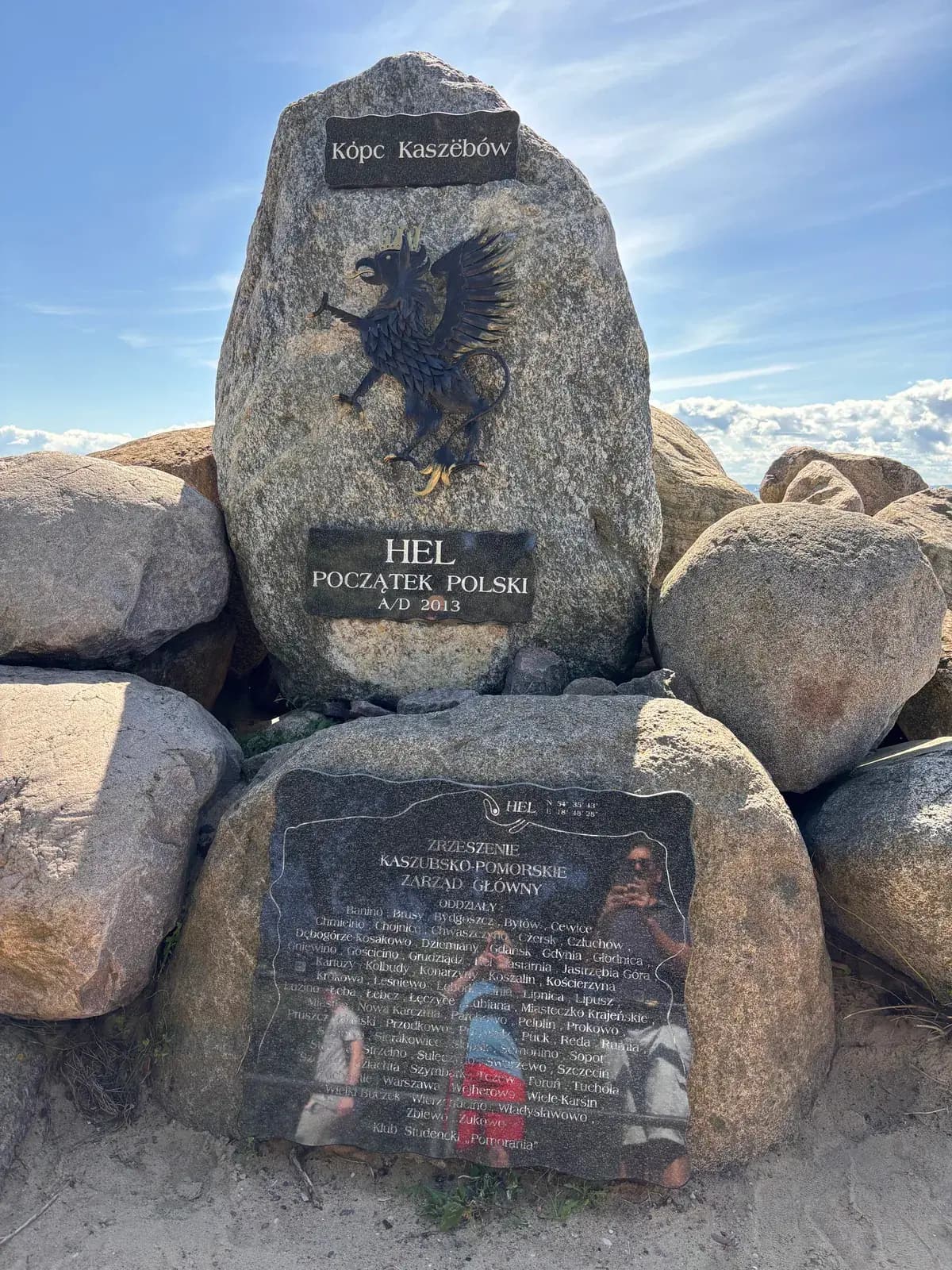
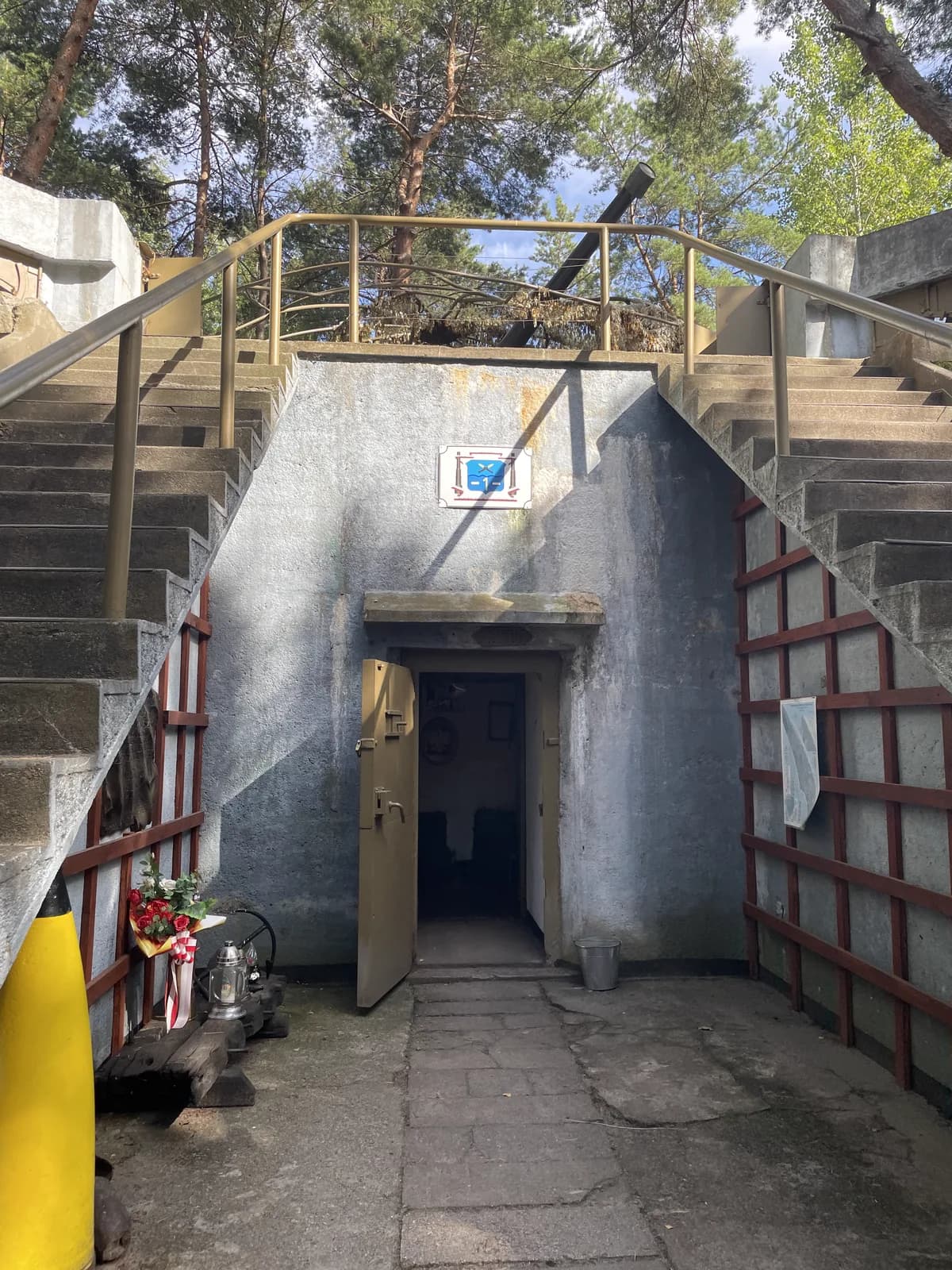
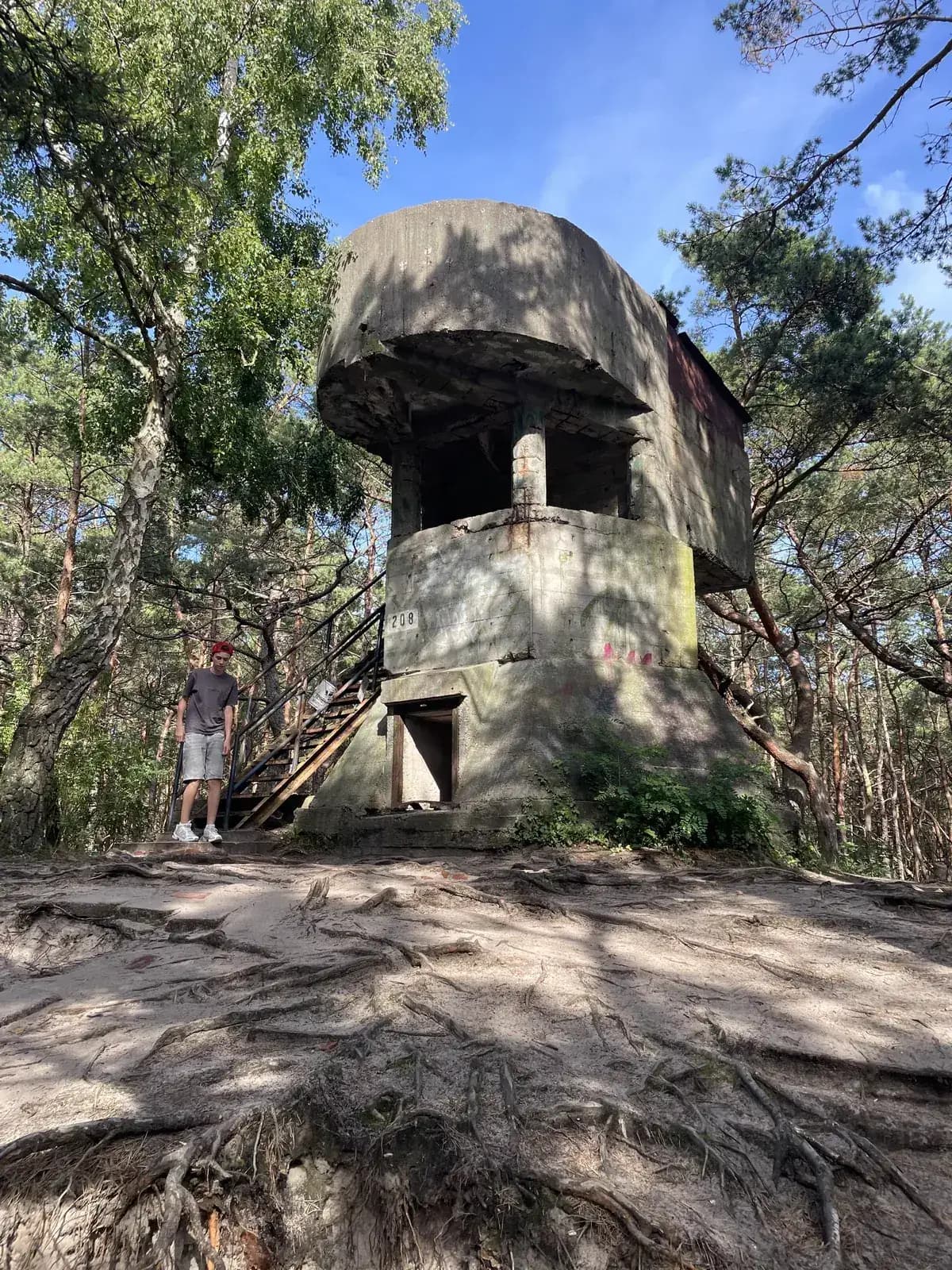
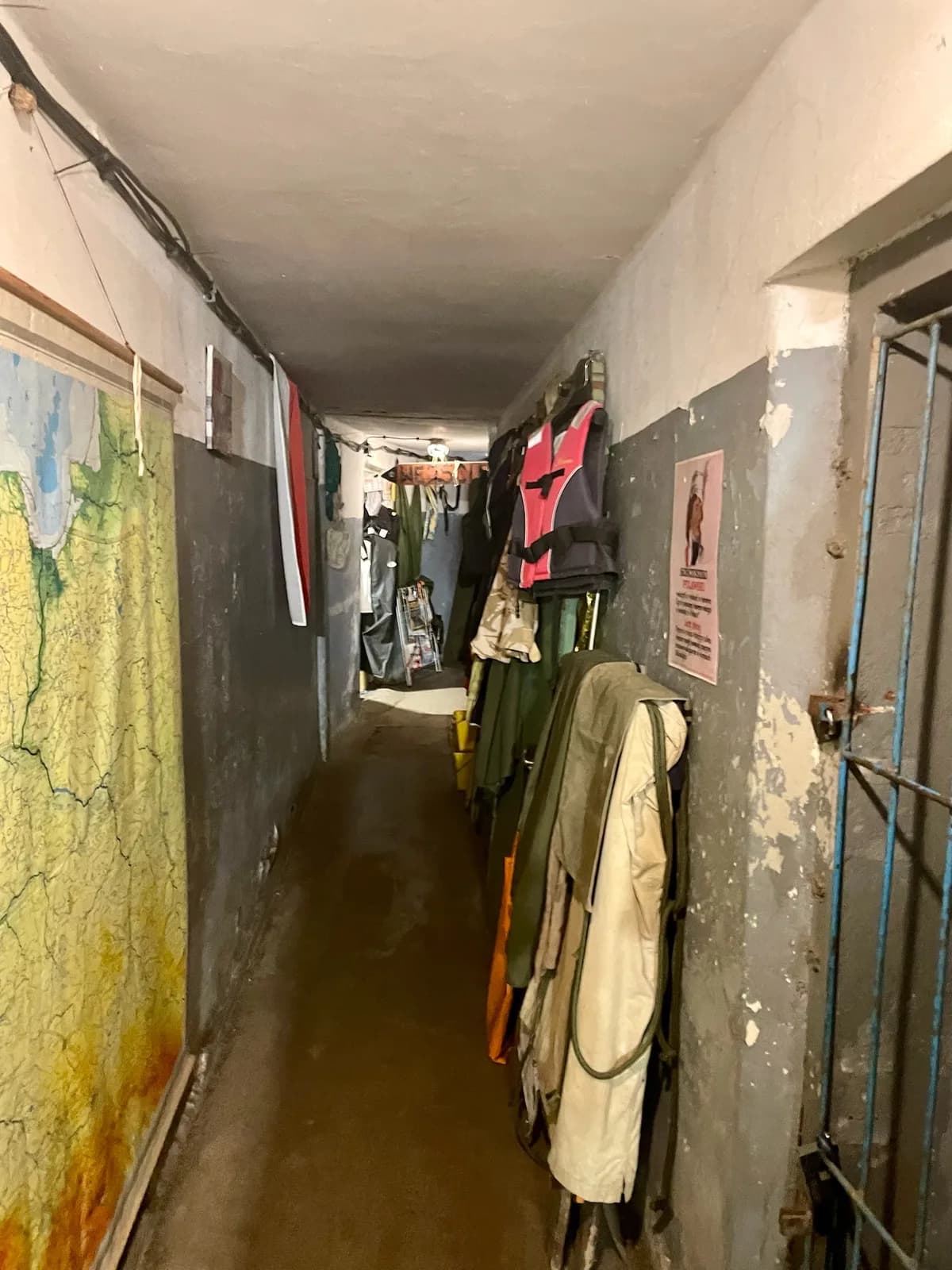
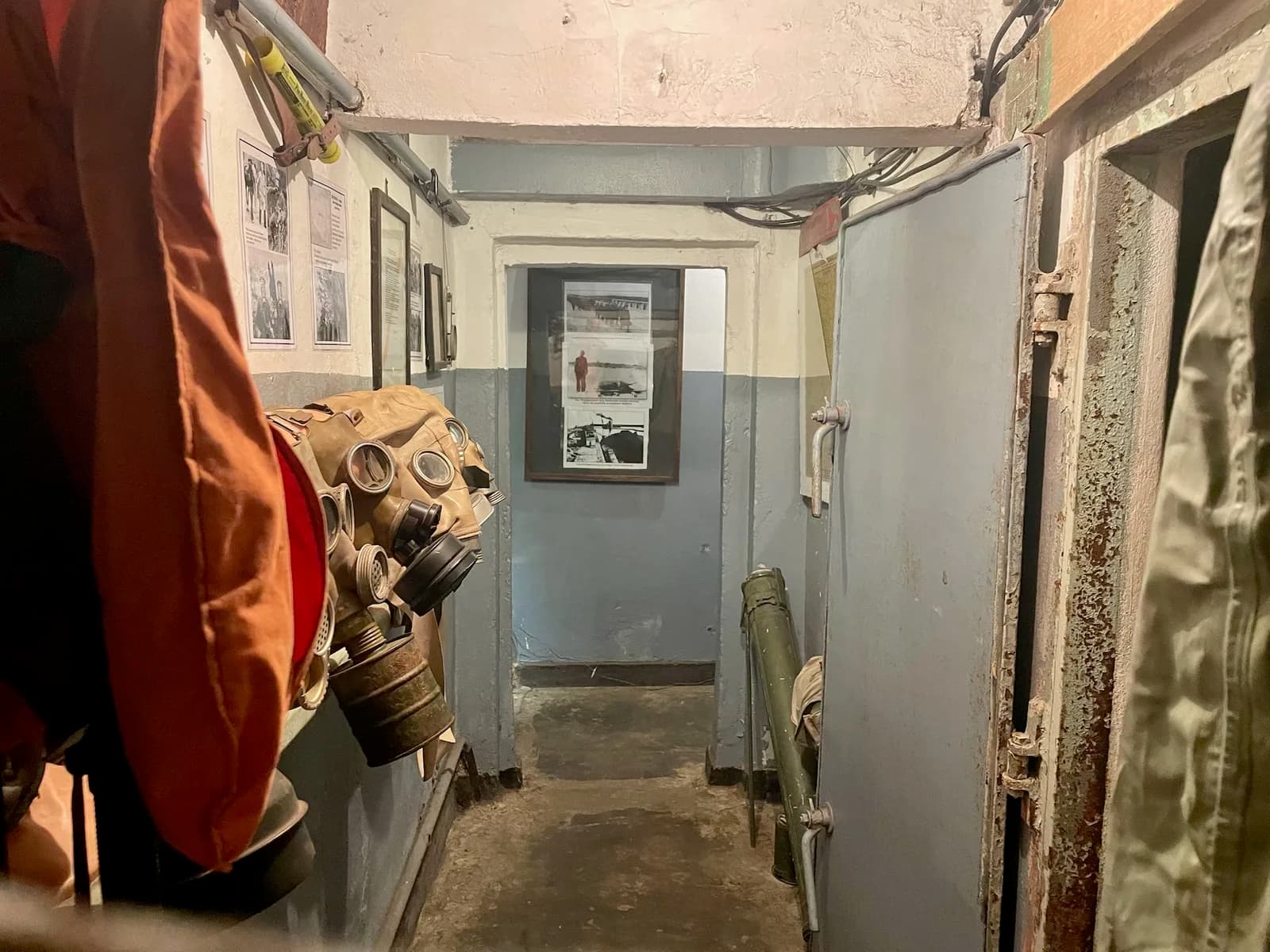
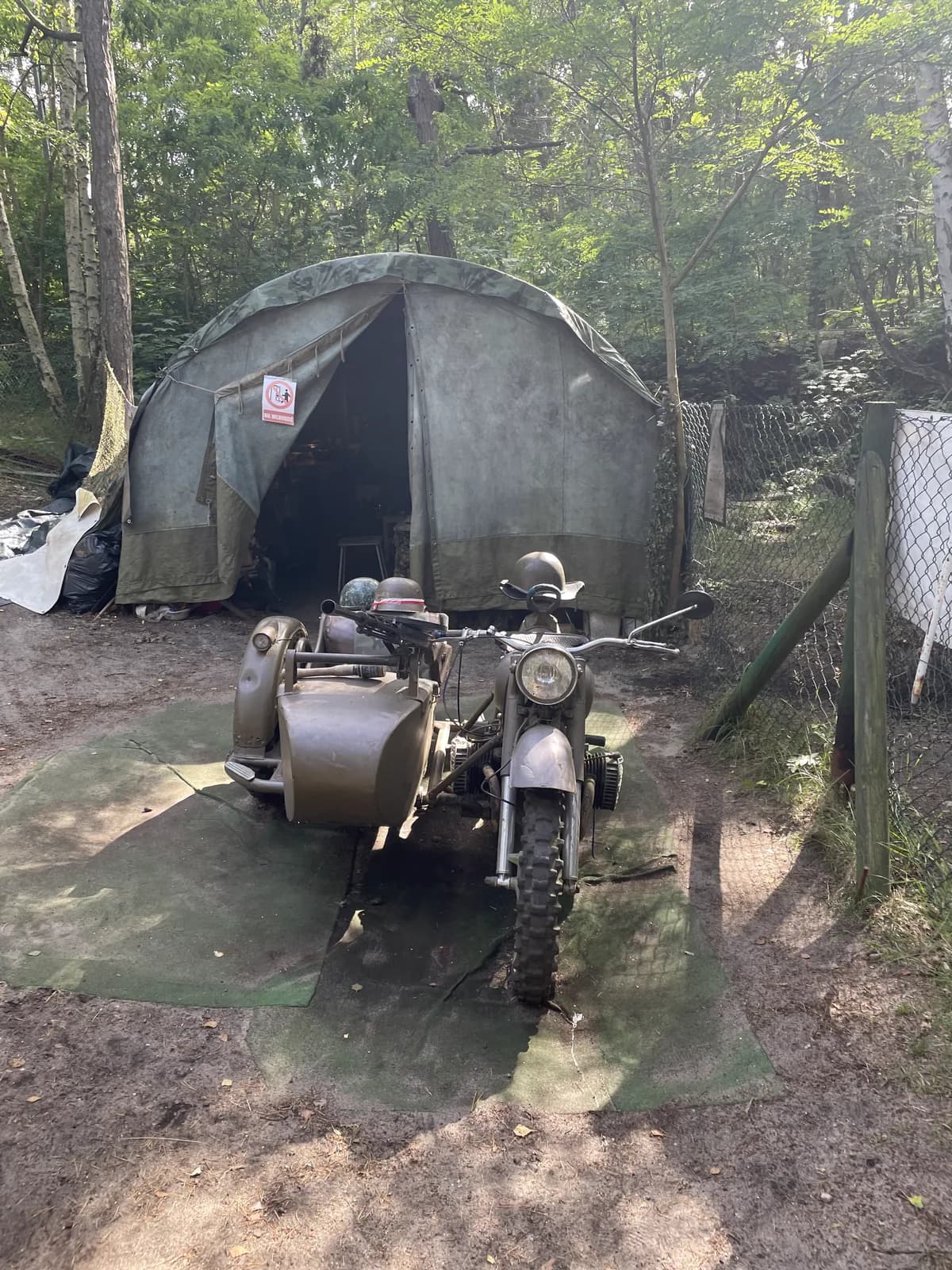
Walking out towards the tip of the peninsula, you come across numerous military remains from the Second World War — the area having played a strategic role in Poland's coastal defence. It's in this same area that you'll find the Kopiec Kaszubów, the memorial nicknamed “the start of Poland”, to which we've dedicated a separate article.
A note on transparency: there's a museum dedicated to coastal defence (fortifications and bunkers) as well as a fishing museum on the peninsula. We came across outdoor military remains during our walks, but didn't visit these museums as such during our stay — so we can't recommend them from first-hand experience.
A note on transparency: there are plenty of visits linked to this military history on the peninsula, often accessible cheaply — even free for some of the outdoor remains along the forest trails. The Hel Museum Complex (Helski Kompleks Muzealny) covers several separate sites: the Coastal Defence Museum's rampart costs 7 zł (5 zł reduced) to visit, the combined rampart + main building visit 25 zł (20 zł), the watchtower 15 zł (10 zł), and the Łaskowski battery, at the very tip of the peninsula, just 8 zł (6 zł). A pass covering all the sites costs 55 zł (45 zł reduced) — worth considering if you're planning several visits. Along the way, you'll also spot lighter nods to this military history, like a themed bar built around a vintage jeep.

The fish smokehouses, a local institution
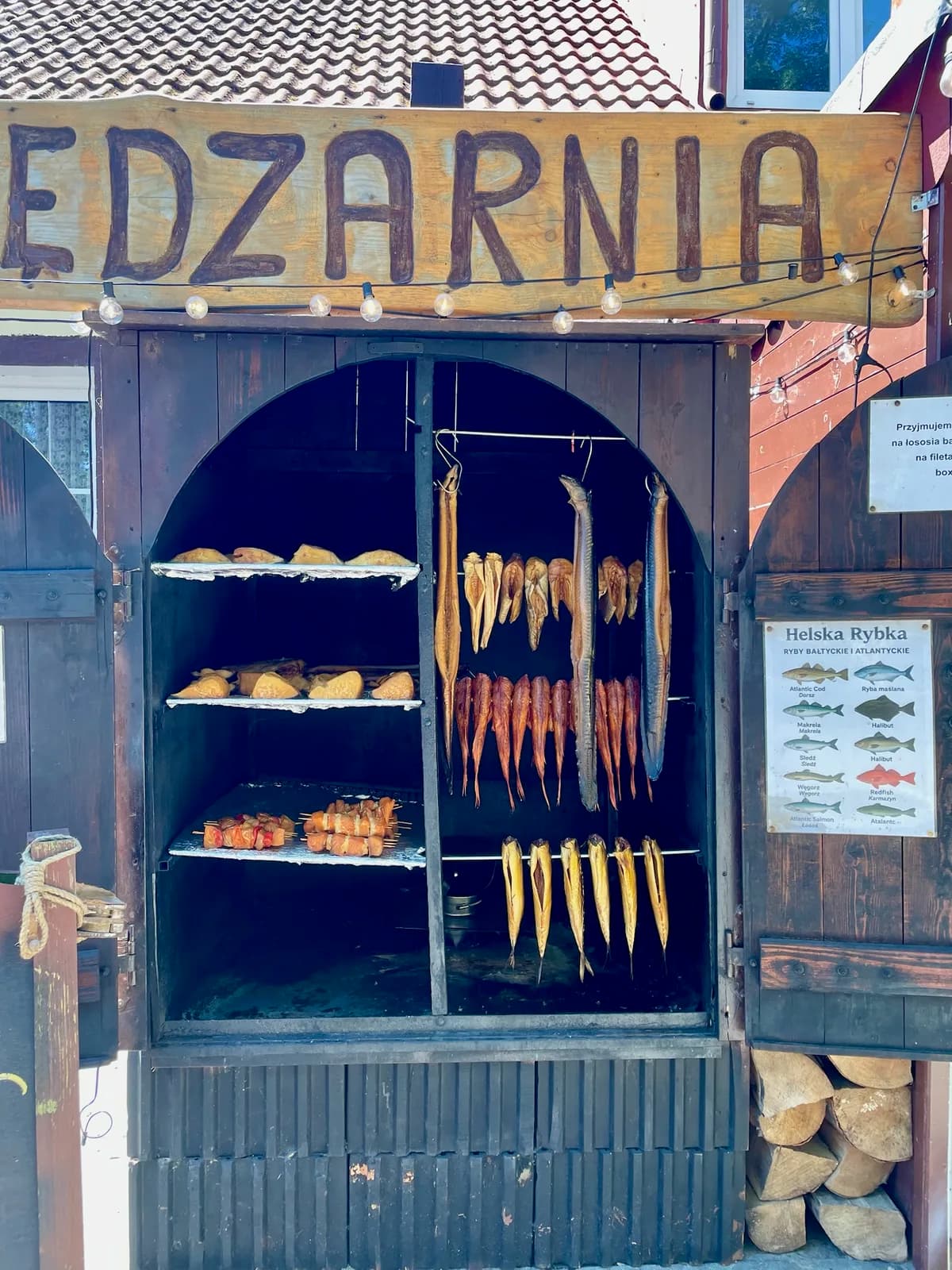
True story, July 2026: you can't cross Hel without coming across its fish smokehouses (wędzarnie), an institution of the Baltic coast as typical as it is photogenic. The idea is always the same: locally caught fish — mackerel, herring, eel, sprats depending on the catch — smoked over wood, sold whole to take away and wrapped in paper, to enjoy on a bench facing the sea. It's one of the most typical street foods in the region, and one of the cheapest: as a rough guide, and by comparison with fishmonger prices along the coast (since the stalls themselves don't post prices online), expect around 25 to 35 zł for a whole smoked fish, depending on the species and size. You can spot the smokehouses from a distance, by their smoke and distinctive smell, on almost every corner of the village.
What we didn't see: the seals of Hel
A note on transparency: a grey seal sanctuary (the Fokarium) exists on the peninsula. We didn't visit it. For what it's worth: online reviews of this attraction are fairly mixed, mentioning a relatively long queue for a modest fee and a limited number of visible seals — worth bearing in mind if you're considering spending time there.
How we got there
True story, July 2026: we drove to the Hel Peninsula from our accommodation near Łeba, as a day trip. Allow around 110 to 115 km and nearly 2 hours on the road each way — the peninsula alone stretches over 30 km, and most of the drive crosses the Kashubian countryside (the ethnic and cultural region of Pomerania where Łeba sits), quiet and away from the coast. The road is a single route once you're on the peninsula itself: one road serves its entire length, which makes it busier near the tip, where visitors concentrate, but stays generally quiet along the rest of the way. It's the most flexible option if you have a car on site, as we did. Other visitors, particularly those based in Gdańsk or Gdynia, reach the peninsula by train (SKM) or ferry — two options we didn't try ourselves, since our starting point was different.
Where to stay on the peninsula: we didn't spend the night there, having organised our visit as a day trip from Łeba. If you want to stay, hotels and campsites are available on site, but we can't recommend a specific place without first-hand experience.
Good to know
▸ Good to know
- There's only one road to reach the tip of the peninsula — allow extra time for the drive back in peak season, as traffic can build up towards the end of the day.
- Visit in the morning to avoid the afternoon peak in foot traffic.
- The peninsula is particularly well suited to walking or cycling along the beaches.
See also
Frequently asked questions
Is the Hel Peninsula worth the trip?
Without hesitation, in our view: it's one of the loveliest peninsulas we've seen. On offer: its huge, quiet beaches, the village of Hel with its fishing port and pedestrian street, WWII remains (bunkers and artillery pieces visible along the forest trails, the Coastal Defence Museum with its rampart, watchtower and the Łaskowski battery at the tip), the Kopiec Kaszubów memorial, and the coast's typical fish smokehouses. The Jastarnia area is also a well-known kitesurfing spot, and a seal sanctuary (the Fokarium) exists on site, though we didn't try it ourselves.
How do you get to the Hel Peninsula?
By car from the Łeba or Gdańsk area, or by train (SKM) and possibly ferry from Gdańsk/Gdynia for visitors without a car — we personally chose the car from our base near Łeba.