Kopiec Kaszubów: the “Start of Poland” Monument at Hel
By Jérôme R · Visited in July 2026 · Updated · How we work
Right at the end of the Hel Peninsula, at the tip of this long strip of sand jutting into the Baltic Sea, stands a three-metre-high earth mound: the Kopiec Kaszubów (literally, the “Kashubian mound”), better known to the public as the “start of Poland monument” (*początek Polski*). It's one of the places we discovered on our day trip to the peninsula, in July 2026 — and one of the topics for which, while researching this article, we found almost no content in French at all.
A name worth getting right before you search
If you're searching for this monument online, one point of vocabulary helps: “początek Polski” (“the start of Poland”) is the place's popular nickname, not its official name. The monument is actually called Kopiec Kaszubów, and that's the name to search for to find information — including on site, on the local signage.
A symbol of Kashubian identity
The mound was built on the initiative of the Kashubian-Pomeranian Association and Hel's local authorities, to a design by architect Bruno Wandtke (from Sopot). It symbolically marks the spot where, for the Kashubians — the ethnic and cultural minority of this stretch of the Polish coast — “Poland begins”. The choice of location isn't incidental: the tip of the Hel Peninsula had remained closed to the public during the communist era, as a military zone, and its reopening turned this once-forbidden spot into a place charged with regional symbolism.
Our visit, for real (July 2026)
We discovered the Hel Peninsula thanks to a last-minute change of plan: we'd originally planned to visit Gdańsk, the world capital of amber, but ended up opting for this long, 34-35 km strip of sand separating the Bay of Puck from the Baltic Sea — and we didn't regret the choice.
True story, July 2026: this detour wasn't planned at first — we'd originally scheduled a visit to Gdańsk, the world capital of amber, and changed our plans at the last minute to come and discover this peninsula, one of the loveliest we've seen. The drive to Hel turned out longer than the one to Gdańsk would have been, but it was clearly worth it: this long, narrow, 34-35 km strip of sand, separating the Bay of Puck from the Baltic Sea, offers a pretty unique landscape, with the sea on both sides of the road once you're on the spit. It's also, we noticed, a very popular spot with kitesurfers.
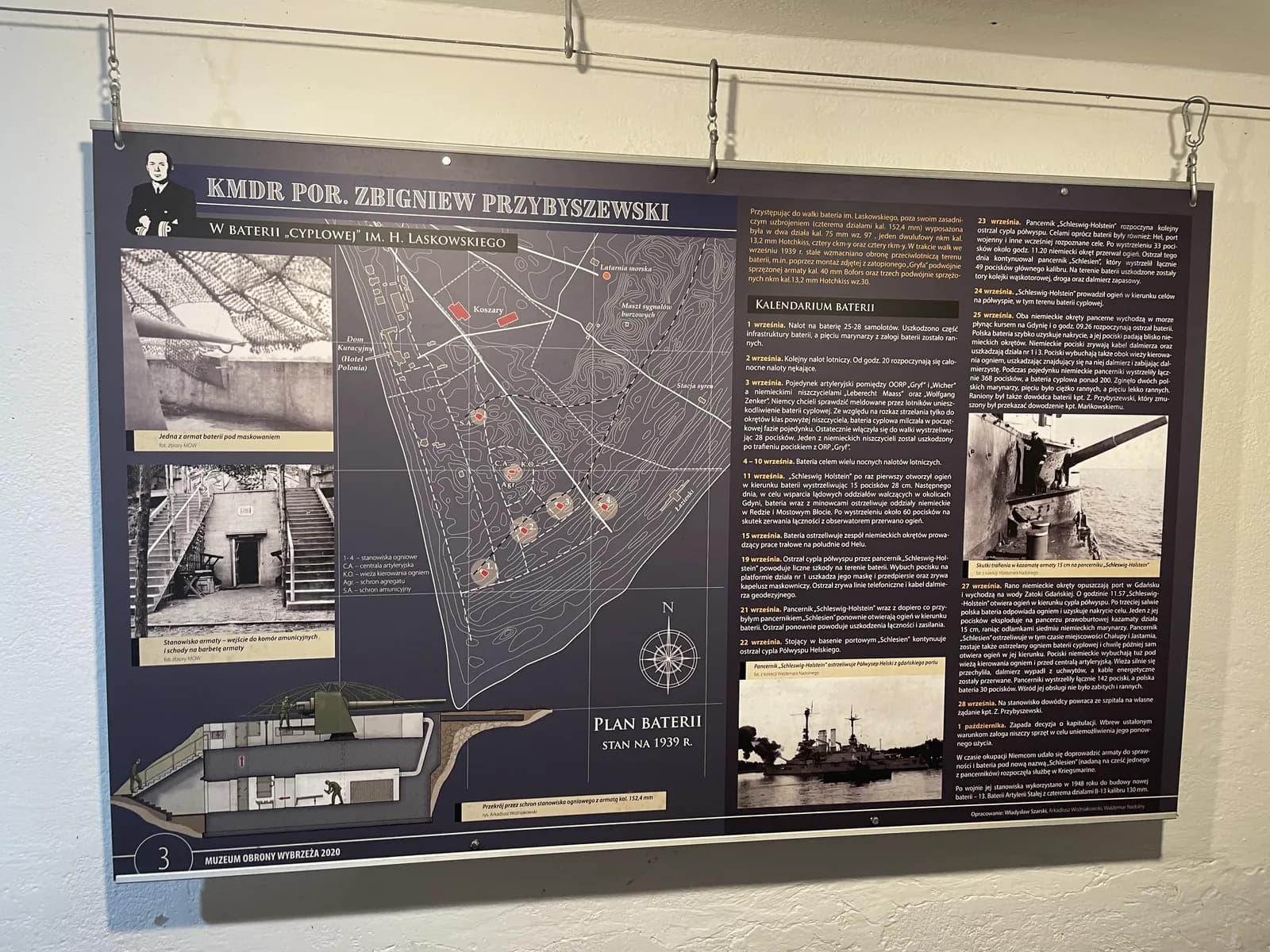
Walking out towards the tip of the peninsula, you pass quite a few WWII military remains along the way — the area having played a strategic role in Poland's coastal defence. It's in this same area, at the very tip of the Cypel Helski, that you'll find the Kopiec Kaszubów.
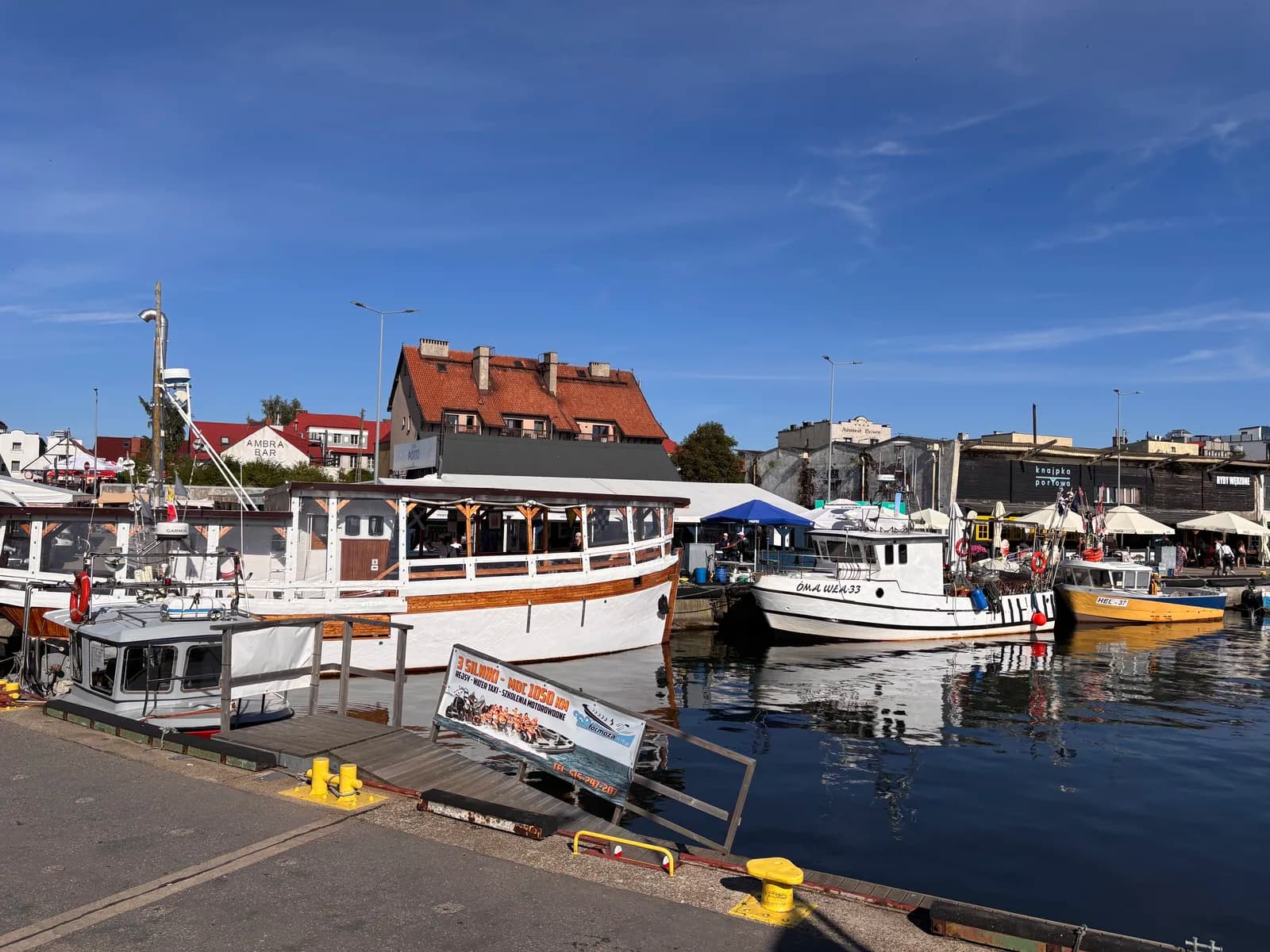
We arrived in Hel late morning and left late afternoon, deliberately avoiding the mid-afternoon peak in foot traffic — a good window for enjoying the huge beaches, quiet compared to southern Europe, before wandering into town and having an ice cream. The road to the tip of the peninsula is a single route, which did create a bit of traffic on our way back at the end of the day, but the trip was well worth it.
Good to know
▸ Good to know
- There's only one road to reach the tip of the peninsula — allow extra time for the drive back in peak season.
- Visit in the morning: foot traffic increases noticeably from mid-afternoon.
- The peninsula is particularly well suited to walking or cycling along the beaches.
Frequently asked questions
Why is Hel called “the start of Poland”?
The nickname refers to the Kopiec Kaszubów, a memorial mound built at the tip of the peninsula on the initiative of the Kashubian-Pomeranian Association, symbolising the spot where, for regional Kashubian identity, Polish territory symbolically “begins”.
What is Hel's monument actually called?
Its official name is Kopiec Kaszubów (the Kashubian mound); “początek Polski” (“start of Poland”) is only its popular nickname.